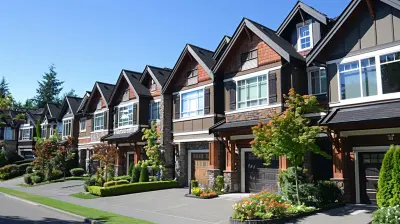
Does Renting Delay Financial Goals More Than Buying in 2026?
23 September 2026
The question sounds simple, but it hides a trap. Most people frame it as a binary: rent and fall behind, or buy and get ahead. That framing has been wrong for a long time, and it becomes even less useful in 2026, when mortgage rates, home prices, rents, and investment returns are all moving in ways that defy the old rules of thumb.
The honest answer is that neither renting nor buying delays your financial goals by itself. What delays them is paying too much for housing relative to your income, holding the wrong assets for your time horizon, and making a decision based on emotion rather than arithmetic. In some markets and life situations, renting accelerates your goals. In others, buying does. The only way to know which applies to you is to run the numbers on your specific situation and understand the mechanics behind them.
This article walks through those mechanics in detail. It covers the real costs on both sides, the break-even math that actually matters, the scenarios where each choice wins, and the mistakes that quietly set people back regardless of which path they pick.
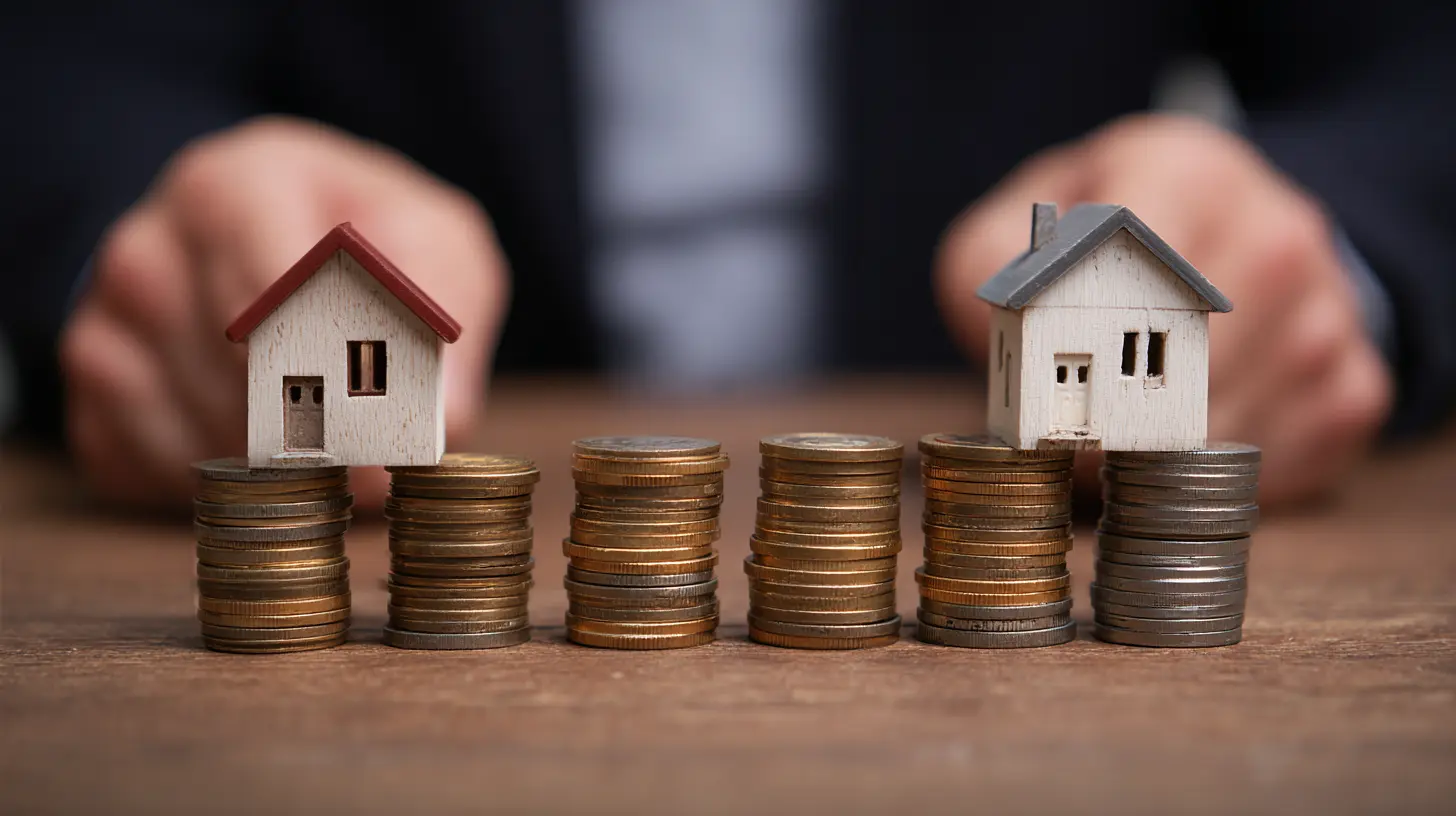
Why the Rent Versus Buy Debate Changed After 2022
For roughly a decade before 2022, the math in many markets strongly favored buying, largely because mortgage rates were low and home prices, while rising, were still reachable for median earners in many regions. That era ended. Rates climbed, home prices in many metros stayed elevated, and rents in some areas cooled while in others kept climbing.By 2026, the landscape is more fragmented than it has been in years. Some markets have seen price corrections. Others have not. Some cities have added enough rental supply that landlords are competing on concessions. Others remain tight. Mortgage rates have moved around but have not returned to the lows of the previous decade.
This fragmentation matters because it means national averages are nearly useless for your decision. A rule like "buying beats renting after five years" was always a rough approximation, and in 2026 it can be off by years depending on your zip code, your down payment, and how you would otherwise invest your money.
The takeaway: any credible answer to whether renting delays your goals has to be built from local inputs, not headlines.

The Costs People Forget on Both Sides
Most rent versus buy comparisons fail because they compare a mortgage payment to a rent check. That comparison is misleading in both directions.The true cost of owning
A mortgage payment is only one line item. Ownership also involves:- Property taxes, which vary enormously by location and can rise over time
- Homeowners insurance, which has increased sharply in many regions due to climate and rebuilding costs
- Maintenance and repairs, commonly estimated at 1 to 2 percent of home value per year, though older homes and harsh climates push this higher
- HOA or condo fees where applicable, which can increase and sometimes come with special assessments
- Mortgage interest, which is front-loaded and can dwarf principal in early years
- Closing costs on purchase, typically 2 to 5 percent of the loan amount
- Selling costs, often 6 to 10 percent of sale price when you factor in agent commissions, title, and concessions
On a 500,000 dollar home with 10 percent down, it is not unusual for total annual ownership costs in the first few years to exceed what a comparable rental would cost, even when the mortgage principal portion is counted as forced savings.
The true cost of renting
Renting has its own hidden costs, though they are smaller:- Renters insurance, usually modest
- Annual rent increases, which compound
- Moving costs if you need to relocate when a lease ends or a landlord sells
- Lost equity building, which is the opportunity cost people focus on
- Limited control over your living environment and timeline
The key difference is that renting costs are mostly transparent and predictable within a lease term, while ownership costs are lumpy and sometimes shocking. A new roof, a failed HVAC system, or a special assessment can arrive without warning.
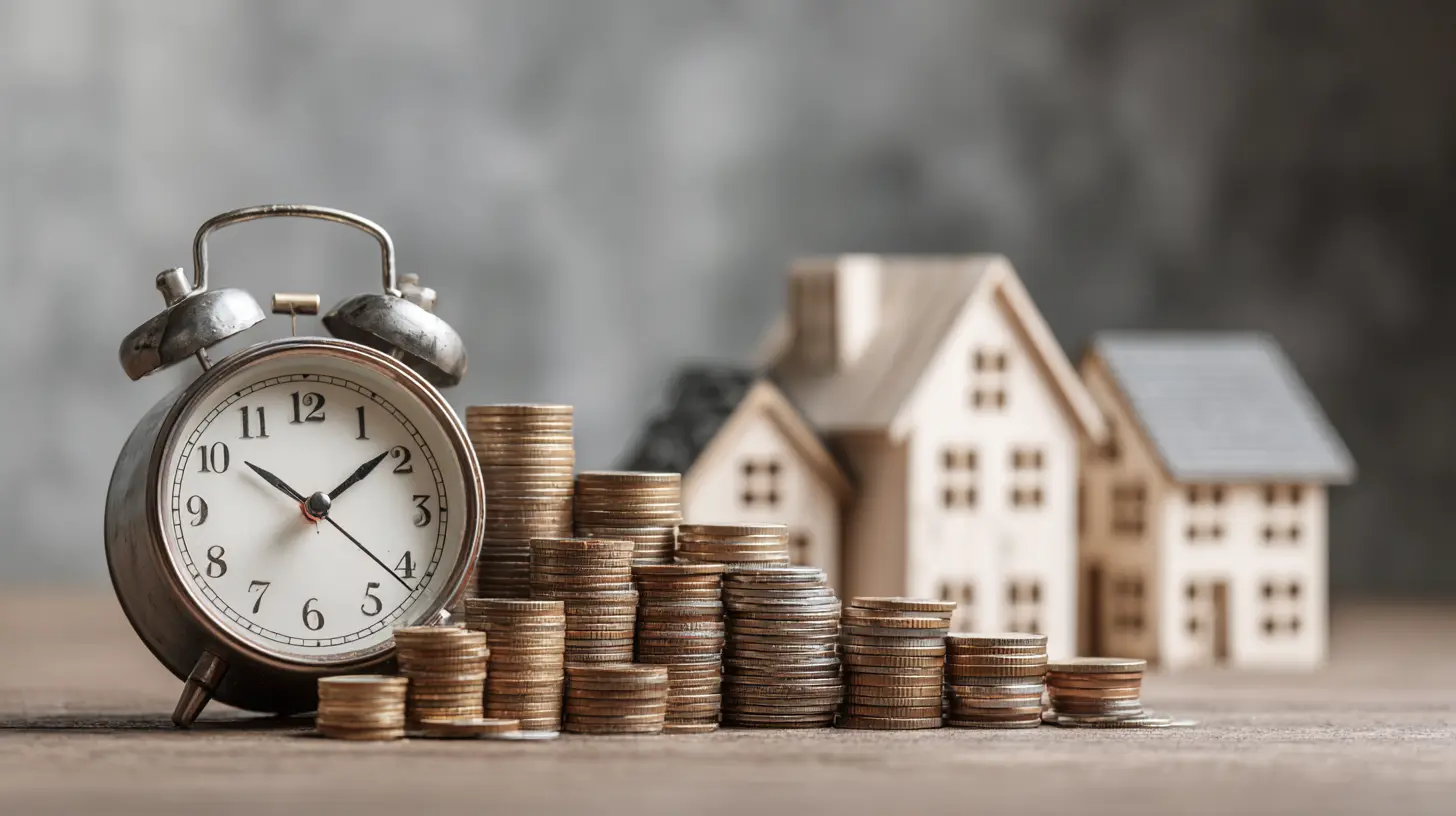
The Break-Even Calculation That Actually Matters
The break-even point is the number of years you need to stay in a home for buying to cost less than renting, all else equal. It is not a fixed number. It depends on:1. The price-to-rent ratio in your market
2. Your mortgage rate and down payment
3. How long you plan to stay
4. What return you would earn investing the money you do not put into a home
5. Local property tax and insurance costs
6. Expected home appreciation and maintenance
A practical way to estimate it: compare the unrecoverable costs of each option.
For renting, unrecoverable cost is essentially your rent.
For owning, unrecoverable cost includes mortgage interest, property taxes, insurance, maintenance, HOA fees, and the amortized cost of closing and selling. Principal paydown is not a cost; it is a transfer from cash to equity. Appreciation is not a cost either; it is a return, though an uncertain one.
When you frame it this way, the break-even is the point where cumulative unrecoverable ownership costs fall below cumulative rent. In high price-to-rent markets, that can take 7 to 10 years or more. In low price-to-rent markets, it can happen in 3 to 4 years.
The practical implication: if you might move within a few years, renting is often the financially superior choice even if you can afford to buy. If you plan to stay for a decade or more, buying usually wins, provided you can handle the costs and the risk.

What "Delaying Financial Goals" Really Means
People use this phrase loosely. It helps to separate the goals that housing actually affects.Retirement savings
Housing affects retirement through cash flow and through asset allocation. A high mortgage payment can crowd out 401(k) contributions and IRA funding. A large down payment can drain a brokerage account that would otherwise compound. On the other hand, a fixed-rate mortgage payment becomes cheaper in real terms over time as inflation erodes its value, while rent tends to rise with inflation.If buying keeps your housing cost below 28 to 30 percent of gross income and you still max out tax-advantaged accounts, buying is unlikely to delay retirement. If buying pushes housing above 40 percent of income and forces you to cut retirement contributions, it very likely will.
Building wealth
Renting does not prevent wealth building. It simply changes the vehicle. A renter who invests the difference between a low rent and a hypothetical mortgage payment can accumulate substantial wealth, sometimes more than a buyer, especially in high price-to-rent markets.The catch is behavioral. Many renters intend to invest the difference but do not. If you are disciplined and automate investments, renting can be a wealth accelerator. If you are not, the forced savings of a mortgage may work in your favor despite the higher costs.
Flexibility and career
Renting preserves mobility. In a weak job market or a field that requires relocation, that mobility has real financial value. A homeowner who needs to sell in a down market can lose years of progress. A renter can move with 30 to 60 days notice and a modest penalty.Lifestyle and stability
Owning provides control over your space, protection from rent increases, and a sense of permanence. Those are real benefits, but they are not strictly financial. Be honest about how much you value them and whether you are willing to pay for them.When Renting Is the Financially Smarter Choice
Renting tends to win in these situations:- You plan to stay fewer than five years
- Your local price-to-rent ratio is high, meaning homes are expensive relative to rents
- You have high-interest debt that should be paid down first
- You lack a fully funded emergency reserve beyond the down payment
- Your income is variable or your job may require relocation
- You would rather invest surplus cash in a diversified portfolio than concentrate it in one property
- You live in a market with rising insurance and property tax costs that make ownership unpredictable
In these cases, renting is not a compromise. It is a deliberate strategy that preserves optionality and keeps your capital liquid and diversified.
When Buying Is the Financially Smarter Choice
Buying tends to win in these situations:- You plan to stay at least 7 to 10 years
- Price-to-rent ratios are moderate or low
- You have a stable income and a fully funded emergency reserve after closing
- You can keep housing costs below roughly 30 percent of gross income
- You value the forced savings of principal paydown
- You want a fixed housing cost that inflation erodes over time
- You are comfortable with the maintenance and concentration risk
In these cases, buying can accelerate wealth building, provide tax advantages in some jurisdictions, and lock in a cost structure that becomes more favorable over time.
A Concrete Comparison
Consider two households with identical incomes of 150,000 dollars, both with 100,000 dollars available for either a down payment or investment.Household A buys a 500,000 dollar home with 20 percent down at a 6.5 percent mortgage rate. Monthly principal and interest is roughly 2,530 dollars. Add property tax, insurance, and maintenance, and total monthly housing cost might be around 3,600 dollars. Over 10 years, assuming modest appreciation and amortization, they build equity, but their unrecoverable costs in the early years are high.
Household B rents a comparable home for 2,800 dollars per month and invests the 100,000 dollars plus the monthly difference of roughly 800 dollars in a diversified portfolio. Over 10 years, assuming historical average returns, the portfolio could grow substantially.
Which household ends up ahead depends on actual appreciation, actual investment returns, rent increases, and maintenance surprises. In many scenarios, Household B is competitive or ahead at year 10. In others, Household A pulls ahead, especially if appreciation is strong and rents rise quickly.
The point is not that one always wins. The point is that the outcome is sensitive to inputs, and anyone who tells you the answer without running your numbers is guessing.
Common Mistakes That Delay Goals Regardless of Choice
These mistakes hurt people on both paths:- Stretching to buy the maximum the lender approves rather than what your budget supports
- Draining the emergency fund for a down payment
- Ignoring maintenance and repair costs in the ownership budget
- Assuming home prices always rise
- Assuming rents always rise slowly
- Failing to invest the difference when renting
- Selling too soon after buying and losing money to transaction costs
- Buying in a location you have not researched for taxes, insurance, and climate risk
Avoiding these matters more than the rent versus buy decision itself.
Misconceptions Worth Retiring
Several beliefs about renting and buying persist despite weak evidence."Renting is throwing money away." Rent buys shelter, flexibility, and freedom from maintenance risk. Those have value. The unrecoverable cost of renting is rent. The unrecoverable cost of owning is interest, taxes, insurance, maintenance, and transaction costs. Both have waste. The question is which waste is smaller for your situation.
"You need to own to build wealth." Wealth comes from saving and investing, not from a specific asset class. Home equity is one way to build wealth. A diversified portfolio is another. Many wealthy households use both.
"Home prices always go up." They do not. They have fallen in real terms in many markets and in nominal terms in some. Appreciation is a possibility, not a guarantee.
"Renting is cheaper." Not always. In some markets, owning costs less per month than renting a comparable home, especially after tax deductions where applicable.
How to Decide for Yourself
Run a structured comparison:1. Estimate your realistic stay duration
2. Calculate total monthly ownership cost, including all unrecoverable items
3. Compare to local rent for a comparable home
4. Estimate break-even in years
5. Model two scenarios: one where you buy and invest surplus, one where you rent and invest surplus
6. Stress test with lower appreciation, higher maintenance, and higher rent growth
7. Check that your emergency fund survives the down payment
8. Confirm housing stays below roughly 30 percent of gross income
If buying wins in most scenarios and you plan to stay long enough, buy. If renting wins or the outcome is close and uncertain, rent without guilt. Both can be smart. Neither is automatically a delay to your goals.
Final Thoughts
In 2026, the question is not whether renting delays financial goals more than buying. The question is which choice, given your income, your market, your time horizon, and your temperament, produces the best risk-adjusted outcome for you. Renting can absolutely accelerate your goals if it keeps you flexible, liquid, and invested. Buying can accelerate them if it locks in a cost you can sustain and you stay long enough to overcome the transaction costs.The people who fall behind are rarely the ones who chose the "wrong" option. They are the ones who chose without running the numbers, stretched beyond their means, or failed to invest the difference. Do the math, stay honest about your timeline, and protect your emergency fund. That matters far more than which side of the rent versus buy line you land on.
all images in this post were generated using AI tools
Category:
Buying Vs RentingAuthor:

Elsa McLaurin