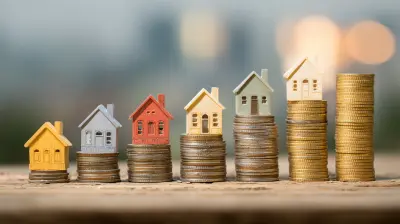
How Economic Factors Influence Property Appraisals
7 August 2026
When it comes to property appraisals, many people think it’s just about the size of the home, the number of bedrooms, or the neighborhood it’s in. But did you know that broader economic factors play a huge role in determining a property's value? Yep, things like interest rates, inflation, and employment rates can impact how much your home is worth.
So, if you're thinking about selling, buying, or even refinancing, understanding these economic influences can put you ahead of the game. In this article, we’ll break down how different economic factors shape property appraisals and affect real estate values.

What Is a Property Appraisal?
Before diving into economics, let’s get one thing straight: what exactly is a property appraisal?A property appraisal is an unbiased estimate of a home's value, usually conducted by a certified appraiser. Whether you're applying for a mortgage, selling your home, or settling an estate, having an accurate property valuation is essential.
Now, let’s explore how economic factors affect that value.

1. Interest Rates and Mortgage Availability
Interest rates are like the heartbeat of the real estate market. When they go up, property values often drop; when they go down, home prices rise. But why?Imagine you’re in the market for a house. If mortgage interest rates are low, borrowing money is cheaper, which means more buyers can afford homes. This increased demand pushes property prices higher. On the flip side, when interest rates rise, borrowing becomes more expensive, fewer people can afford home loans, and property values tend to decline.
How This Affects Appraisals
Appraisers look at recent comparable sales (comps) to estimate a home’s value. If rising interest rates slow down the market and fewer homes are sold at high prices, appraised values will likely decrease too.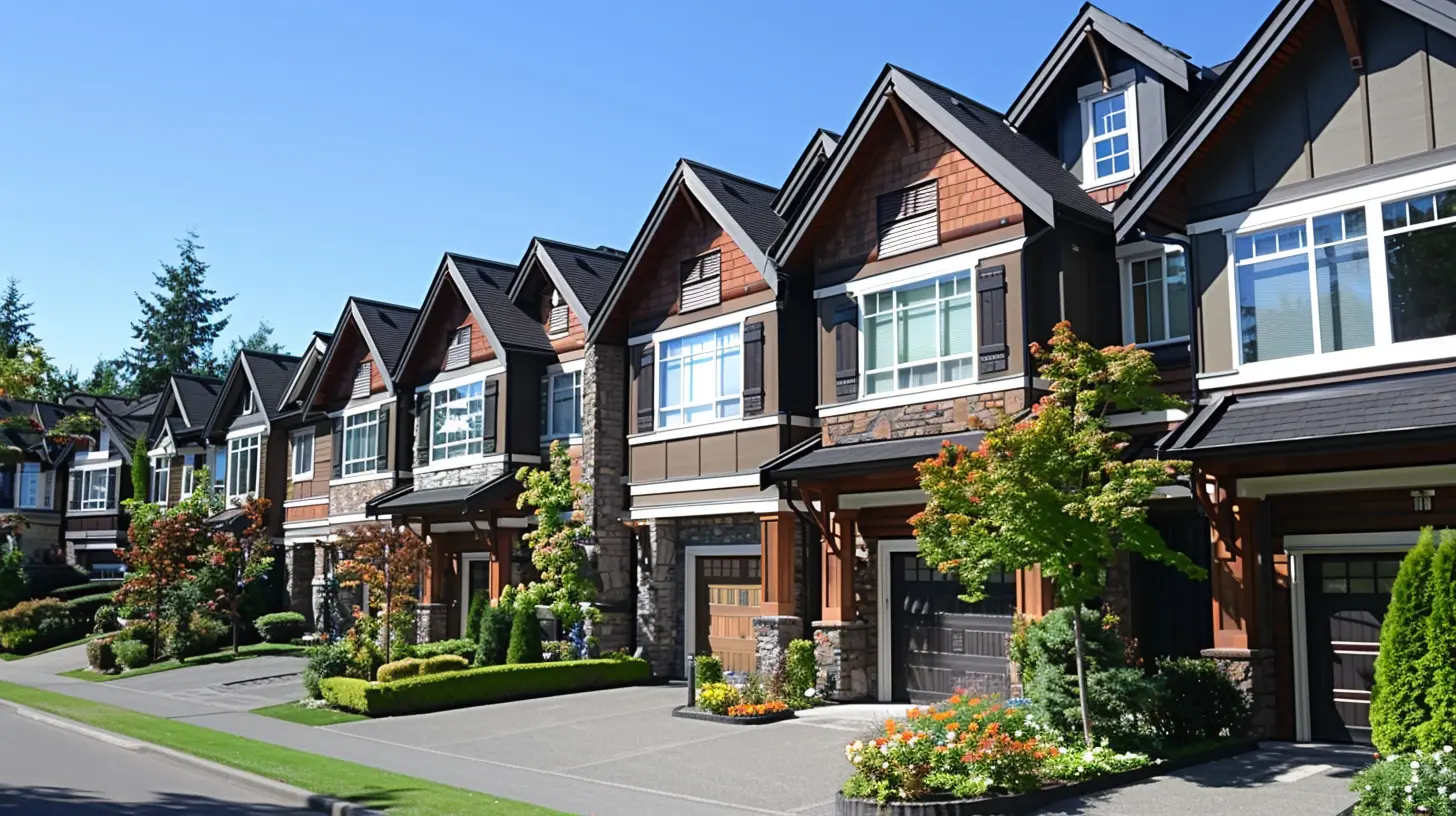
2. Supply and Demand Dynamics
The classic economic principle of supply and demand plays a major role in real estate. If there are more homes available for sale than buyers, prices tend to fall. Conversely, when there’s a housing shortage and buyers are competing for fewer properties, prices go up.Factors That Affect Housing Supply and Demand
- New Construction – If developers are building lots of new homes, supply increases, which can lower home values.- Population Growth – More people moving into an area increases demand, which can drive up property values.
- Government Policies – Tax incentives for homebuyers or first-time buyer programs can boost demand, affecting appraisals.
How This Affects Appraisals
In areas with high demand and low supply, appraisers may assign higher values based on comparable sales, whereas surplus housing can lower appraised values.
3. Inflation and Property Prices
Inflation affects everything—from groceries to gas, and yes, even real estate. When inflation is high, the cost of materials, labor, and land increases, making it more expensive for builders to construct new homes. Consequently, home prices often rise.However, if inflation reduces purchasing power and wages don’t keep up, fewer people can afford homes, leading to stagnation or declining property values.
How This Affects Appraisals
An appraiser might factor in inflation by looking at the trends in material costs and general economic conditions to assess property values.4. Employment Rates and Income Levels
A strong job market generally leads to a strong housing market. When people have stable, well-paying jobs, they feel more confident about purchasing homes. But if unemployment is high or wages are stagnant, fewer people can afford to buy, which puts downward pressure on home prices.For example, if a large company moves into town and creates thousands of jobs, demand for housing in that area will likely surge. Conversely, if a major employer shuts down, property values could take a hit.
How This Affects Appraisals
Appraisers consider employment rates to predict whether market demand in an area is rising or falling, which impacts home valuations.
5. Economic Recessions and Market Cycles
Real estate, like any other market, has ups and downs. During economic recessions, consumer confidence drops, people spend less, and real estate markets slow down. Property values may plummet because fewer people are buying homes.On the other hand, during economic booms, incomes rise, interest rates may be low, and home sales surge—pushing property values higher.
How This Affects Appraisals
If a home is being appraised during a recession, comparable sales in the area might be lower than they would be in a thriving economy, leading to a reduced home valuation.6. Government Policies and Regulations
Government policies, such as tax laws, interest rate adjustments, and zoning regulations, can significantly influence real estate prices.- Mortgage Interest Deduction – Policies that allow homeowners to deduct mortgage interest can make owning a home more attractive.
- Zoning Laws – Local zoning changes that allow more development can increase housing supply, potentially reducing home prices in certain areas.
How This Affects Appraisals
Appraisers take government regulations into account, especially if tax incentives or rezoning efforts change the attractiveness of a particular area.
7. Consumer Confidence in Real Estate
Have you ever heard someone say, "Now’s a great time to buy a house!"? Consumer confidence plays a key role in home prices.If people believe home values will continue rising, demand stays strong. But if there's fear of a housing market crash, buyers and sellers start panicking, which can lead to reduced property values.
How This Affects Appraisals
Appraisers assess market trends and buyer behavior to determine whether a market is growing or declining, influencing property valuations accordingly.Final Thoughts
Economic factors have a huge impact on property appraisals. Interest rates, inflation, employment rates, and even consumer confidence all shape how much real estate is worth.Understanding these influences can help you make smarter decisions, whether you're buying, selling, or refinancing. By keeping an eye on the economy, you can better predict market trends and time your real estate moves strategically.
So, next time you hear about a change in interest rates or a shift in unemployment numbers, remember—it’s not just affecting the stock market; it’s shaping the value of homes in your neighborhood too!
all images in this post were generated using AI tools
Category:
Real Estate AppraisalAuthor:

Elsa McLaurin
Discussion
rate this article
1 comments
Caelum McMahan
Sure, because we all love math and spreadsheets!
August 13, 2026 at 4:48 AM