How Climate Change Is Reshaping Real Estate in 2027
24 April 2026
Let’s be honest—when you think about climate change, your mind probably jumps to melting ice caps, wildfires, or maybe that one documentary you watched that made you feel guilty about your plastic straws. But here’s the thing: climate change isn’t just an environmental story anymore. It’s a real estate story. And in 2027, it’s rewriting the rules of where we live, what we pay, and how we build. If you’re a homeowner, a renter, or someone dreaming of buying a place, you’ve probably felt the ground shifting—literally and figuratively. So, grab a coffee, settle in, and let’s talk about how this invisible force is reshaping the very roofs over our heads.

The New Geography of Risk: Why Your Zip Code Matters More Than Ever
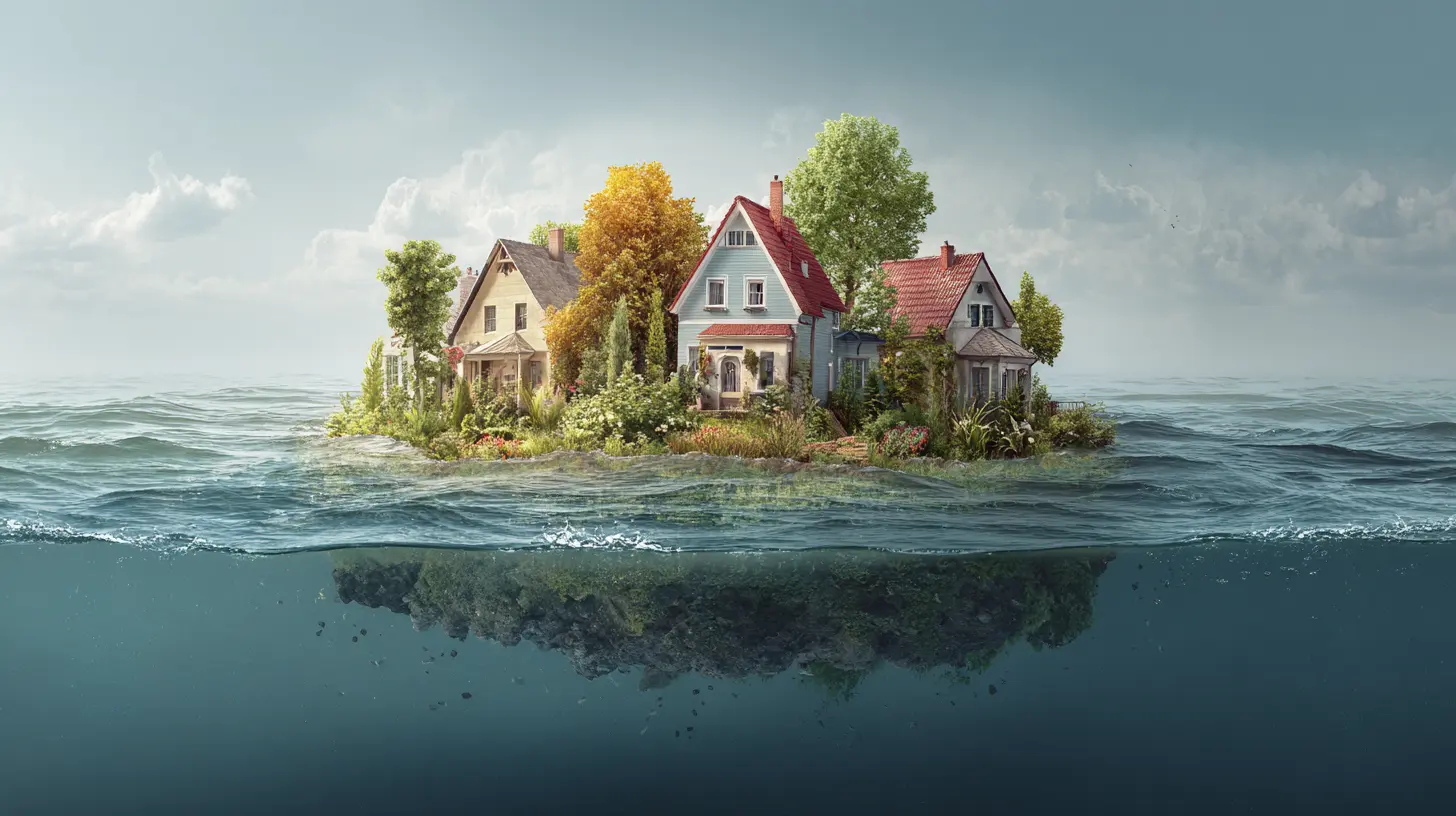
Remember when buying a house was all about “location, location, location”? In 2027, that mantra has evolved into “location, location, elevation.” Climate change has turned the map of desirable real estate on its head. Coastal properties that once screamed “luxury” are now screaming “liability.” Think about it: Miami Beach, once the crown jewel of vacation homes, is now grappling with “sunny day flooding”—where high tides push seawater into streets even when the sun is shining. By 2027, insurers have either tripled premiums or flat-out refused to cover certain flood-prone zones. That beachfront condo you dreamed of? It might come with a monthly insurance bill that rivals a mortgage payment.But it’s not just coasts. Inland areas are feeling the heat—literally. The Pacific Northwest, once a haven for cool, rainy weather, has seen wildfire seasons stretch into months. Homes in the foothills of California or Colorado now carry “fire risk scores” alongside their square footage. And here’s the kicker: lenders are starting to use these scores to deny mortgages. Can you imagine being told you can’t buy a house because the planet is too hot? That’s 2027 for you.
The “Climate Migration” Wave: Moving to Safety
Here’s where it gets personal. People are voting with their feet. The term “climate migration” isn’t just a buzzword—it’s a demographic shift. In 2027, we’re seeing a steady flow of residents leaving states like Florida, Texas, and Arizona for the Great Lakes region, the Northeast, and even parts of the Midwest. Why? Because these areas are less prone to hurricanes, wildfires, and extreme heat. Cities like Duluth, Minnesota, and Buffalo, New York, are experiencing a renaissance. They’re calling it the “climate haven” effect. Duluth, perched on Lake Superior, has seen home prices jump 20% in two years as people flee the Sun Belt.But let’s not sugarcoat it: this migration isn’t smooth. It’s creating housing shortages in these “safe” zones, driving up rents and pushing out long-time residents. So, while one person’s escape is another’s crisis, the real estate market is becoming a giant game of musical chairs—and the music is getting louder.
Insurance: The Silent Game-Changer
If you’ve ever complained about your car insurance, try buying homeowners insurance in 2027. It’s a whole new beast. Insurers are now using climate models to price policies with surgical precision. A home in a flood zone? That’s a 300% premium hike. A home near a wildfire-prone forest? Good luck finding coverage at all. In states like California, some insurers have pulled out entirely, leaving homeowners to rely on state-backed “insurers of last resort” that cost a fortune.This isn’t just a nuisance—it’s reshaping the market. Buyers are starting to ask, “What’s the insurance cost?” before they even ask about the price. And sellers? They’re being forced to disclose climate risks upfront. In 2027, a home’s “climate resilience score” is as important as its square footage. Think of it like a credit score for the planet: a low score means higher costs, fewer buyers, and a longer time on the market.
The Rise of “Climate-Proof” Homes
So, what do you do if you’re stuck in a risky area? You adapt. Builders in 2027 are going all-in on “climate-proof” construction. We’re talking homes built on stilts in flood zones, fire-resistant materials like metal roofs and stucco, and even “passive house” designs that keep interiors cool without air conditioning. It’s not just about survival—it’s about value. A home that can withstand a Category 4 hurricane or a wildfire is suddenly worth a premium.But here’s the catch: retrofitting an old home is expensive. Installing flood barriers, reinforcing foundations, or upgrading windows can cost tens of thousands of dollars. For many homeowners, it’s a choice between spending that money or watching their property value plummet. It’s like owning a car that needs a new engine every few years—you love it, but it’s bleeding you dry.
The Rental Market: A New Kind of Instability
Renters aren’t immune to this shift. In fact, they’re often the first to feel the squeeze. Landlords in high-risk areas are passing insurance costs directly to tenants. Have you seen rent prices in Phoenix lately? They’ve skyrocketed, partly because landlords are paying triple for property insurance. And in cities like Houston, where flooding is a yearly event, landlords are adding “climate clauses” to leases—requiring tenants to carry flood insurance or waive liability for storm damage.But there’s a silver lining: the rental market is also seeing innovation. “Climate-resilient” apartment complexes are popping up, with backup power, rainwater harvesting, and communal cooling centers. These aren’t luxuries anymore—they’re necessities. If you’re a renter in 2027, you’re not just asking about the neighborhood; you’re asking about the building’s “survivability score.”
The Hidden Cost of “Green” Upgrades
You’ve probably heard about “green” buildings—solar panels, energy-efficient appliances, smart thermostats. They sound great, right? But here’s the truth: in 2027, these upgrades are becoming mandatory in many cities. New York, San Francisco, and Seattle have passed laws requiring existing buildings to meet strict carbon emission standards. Landlords are scrambling to retrofit, and guess who pays? You guessed it—the tenant.But here’s the twist: green upgrades can actually save money in the long run. A building with solar panels and better insulation might have lower utility bills, offsetting rent increases. It’s a balancing act. Think of it like buying a fuel-efficient car: you pay more upfront, but you save at the pump. The same logic applies to homes, but the upfront cost is steep.
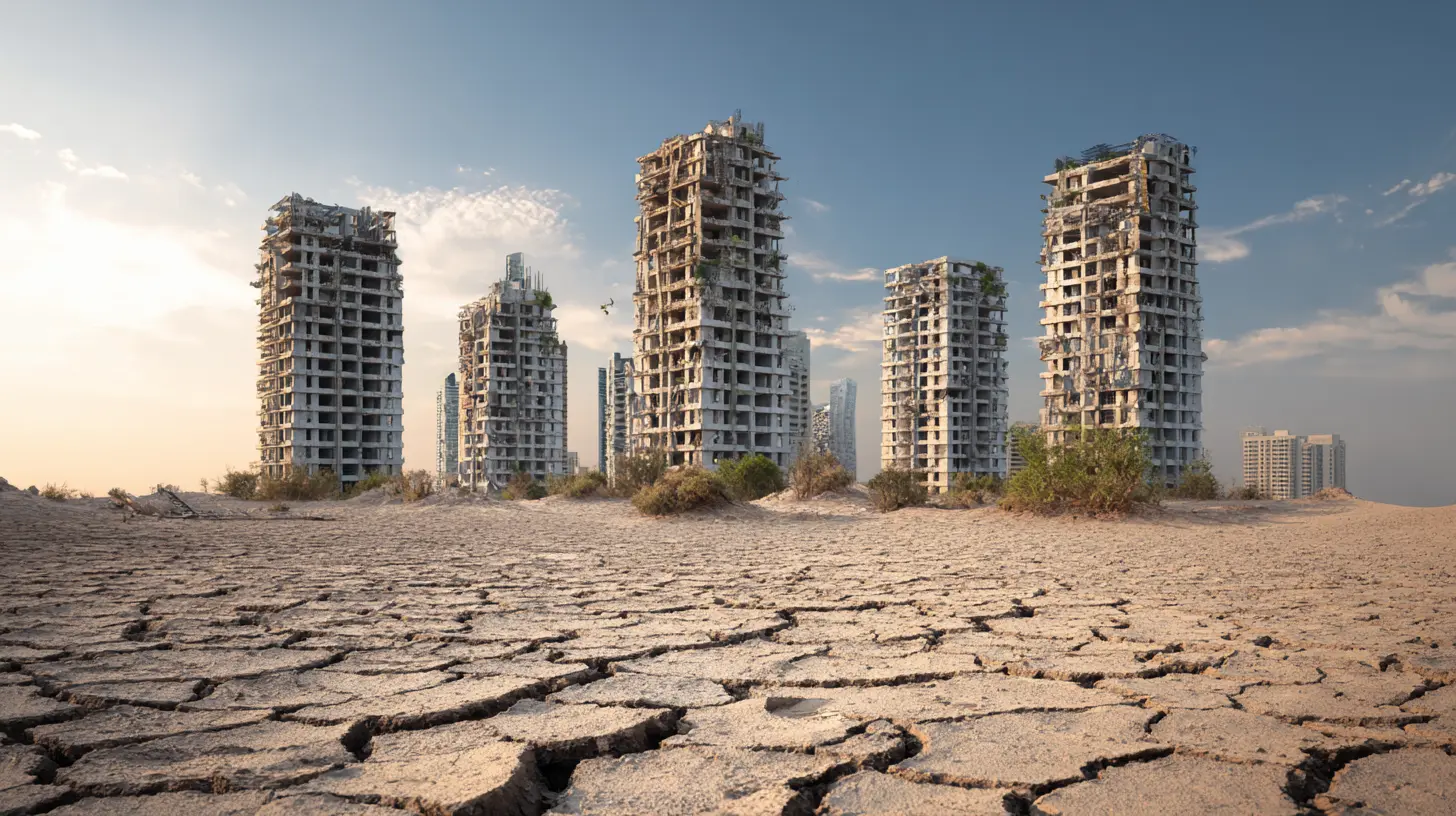
Commercial Real Estate: The Office Space Shake-Up
It’s not just homes—commercial real estate is getting a climate makeover too. Office buildings in flood zones or wildfire areas are losing tenants. Companies don’t want to risk losing their headquarters to a storm or a fire. In 2027, we’re seeing a shift toward “distributed work” models, where offices are smaller, more flexible, and located in safer areas. It’s like the pandemic’s remote work trend, but with a climate twist.Retail spaces are also evolving. Shopping malls in coastal areas are being converted into mixed-use developments with flood barriers and green roofs. And industrial warehouses? They’re moving inland, away from ports that are vulnerable to sea-level rise. The supply chain is literally being reshaped by climate risk.
The Investment Angle: Where to Put Your Money
If you’re an investor, 2027 is a minefield—but also a goldmine. The smart money is moving away from “climate-exposed” assets and toward “climate-resilient” ones. Think farmland in the Midwest, where water is abundant, or data centers in the Northeast, which are less prone to natural disasters. Real estate investment trusts (REITs) are now graded on their climate risk, and investors are paying attention.But here’s the thing: this isn’t just about avoiding loss. It’s about finding opportunity. Companies that specialize in climate adaptation—like those that install flood barriers or build fire-resistant homes—are booming. And there’s a growing market for “brownfield” sites—abandoned industrial land that can be redeveloped with climate-smart design. It’s like buying a fixer-upper, but the fix is for the planet.
The Psychological Toll: Why We’re All a Little Anxious
Let’s step back for a moment. All this talk of risk, insurance, and migration can be exhausting. It’s hard to feel secure in your home when the world feels like it’s on fire—literally. In 2027, real estate isn’t just about money; it’s about mental health. People are experiencing “climate anxiety” when house hunting. They’re second-guessing their choices, wondering if that dream home will be underwater in a decade.But here’s a comforting thought: humans are adaptable. We’ve been building shelters for thousands of years, and we’re getting better at it. The homes of 2027 are smarter, stronger, and more sustainable than ever. Yes, the market is shifting, but it’s also innovating. And for every challenge, there’s a solution—whether it’s a new building code, a community solar project, or a simple conversation with your realtor about flood zones.
A Personal Story: My Friend’s Climate Move
Let me share a quick story. My friend Sarah lived in Tampa for 20 years. She loved the beach, the sun, the laid-back vibe. But after Hurricane Ian in 2022, her insurance doubled. Then it tripled. By 2025, she couldn’t afford her own house. So she sold it—at a loss—and moved to Asheville, North Carolina. She bought a smaller home in the mountains, with a metal roof and a backup generator. She’s happier now, but she admits it was a tough decision. “I felt like I was giving up,” she told me. “But really, I was just adapting.”That’s the story of real estate in 2027. It’s not about giving up—it’s about adapting. Whether you’re buying, selling, or renting, you’re part of a massive, global shift. And while it’s scary, it’s also an opportunity to rethink what “home” really means. Is it a place? A feeling? A safe harbor in a storm? For Sarah, it’s all of the above.
What You Can Do Right Now
So, what’s the takeaway? If you’re in the real estate market in 2027, start with research. Check flood maps, fire risk scores, and insurance costs before you even look at a property. Talk to a realtor who specializes in climate risk—yes, that’s a thing now. And don’t be afraid to ask hard questions: How old is the roof? Is the foundation elevated? What’s the building’s energy efficiency rating?If you’re a homeowner, consider making upgrades now, before they become mandatory. Solar panels, better insulation, and flood barriers aren’t just eco-friendly—they’re value-preserving. And if you’re a renter, negotiate. Ask your landlord about climate resilience. You might be surprised how open they are to improvements that save them money in the long run.
The Bigger Picture: A Market in Transition
Ultimately, climate change is forcing us to rethink the very concept of real estate. It’s no longer about owning a piece of land; it’s about owning a piece of the future. And that future is uncertain, but it’s also full of potential. We’re building smarter, living more sustainably, and redefining what “home” means in a warming world.So, the next time you hear about climate change, don’t just think about polar bears or carbon footprints. Think about your own doorstep. Because in 2027, the real estate market is a mirror of our planet—and it’s telling us we need to change. The question is: are we ready to listen?
all images in this post were generated using AI tools
Category:
Housing TrendsAuthor:

Elsa McLaurin
Discussion
rate this article
2 comments
Denise Dillon
Climate change is driving urgent adaptations in real estate development and investment strategies.
May 8, 2026 at 4:16 AM
Elsa McLaurin
Absolutely, the pressure from climate change is reshaping how we approach real estate. Developers are now prioritizing sustainability and resilience in their projects to meet both regulatory demands and market expectations.
Drew Wolfe
Insightful perspective on the future of real estate!
April 27, 2026 at 3:42 AM
Elsa McLaurin
Thank you! The future is definitely evolving, and it's crucial we adapt to these changes.