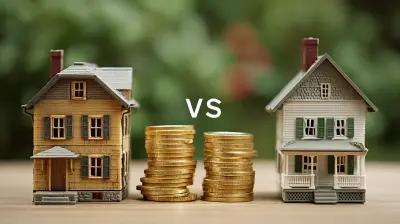
How Real Estate Prices Will Influence Renting Decisions by 2027
8 October 2026
Real estate prices and rent prices have always been connected, but the relationship is rarely as simple as most people assume. By 2027, that relationship will likely shift in ways that change how households, investors, and landlords make decisions. Understanding these shifts now gives you time to prepare instead of reacting when the market moves.
This article examines the forces shaping real estate prices through 2027, how those forces will affect renting decisions, and what practical steps you can take whether you plan to rent, buy, or invest.
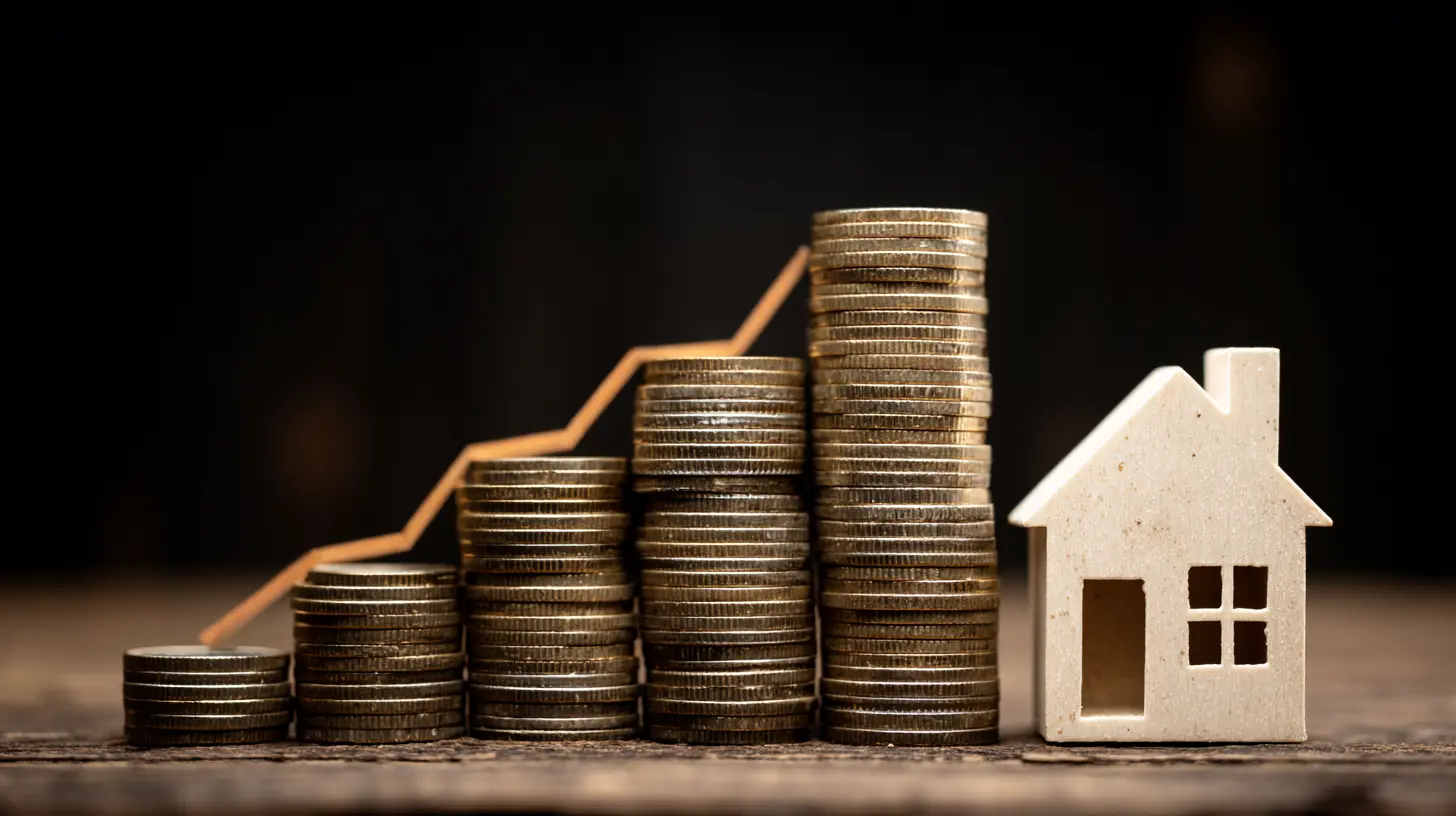
The Core Relationship Between Prices and Rents
Before projecting forward, it helps to understand the mechanism that links sale prices and rents. These two markets respond to different pressures even though they overlap.Why Sale Prices and Rents Move Differently
Sale prices respond to credit conditions, buyer demand, supply of homes for sale, and expectations about future value. Rents respond to household formation, job availability, income growth, and the supply of rental units. A city can see home prices climb while rents stay flat, or rents spike while sale prices stall. This divergence happens more often than headlines suggest.Consider a metro area where mortgage rates rise sharply. Buyers pull back because monthly payments become unaffordable. Sale price growth slows or reverses. But those same buyers still need housing, so they remain renters longer. Rental demand rises, and rents climb. The two markets move in opposite directions even though they serve the same basic need for shelter.
The Rent-to-Price Ratio as a Signal
The rent-to-price ratio, sometimes called the gross rental yield, measures annual rent as a percentage of property value. In expensive coastal markets, this ratio often sits below 4 percent. In many mid-sized cities, it can reach 6 to 8 percent or higher. A low ratio suggests buyers are paying a premium for ownership, often betting on appreciation. A high ratio suggests rental income covers a larger share of the purchase price.By 2027, this ratio will matter more than it has in years. When home prices outpace rents significantly, the math favors renting for the short term. When rents outpace prices, buying becomes relatively more attractive if you can qualify for financing. Tracking this ratio in your target market tells you which side of the trade-off you are on.

What Will Drive Real Estate Prices Through 2027
No one can predict prices with certainty, but several structural forces are already in motion. These forces will shape the environment in which renting decisions get made.Interest Rates and Financing Costs
Mortgage rates influence what buyers can afford. When rates rise, the same monthly payment buys a smaller loan, which pushes down what buyers can bid for homes. When rates fall, buying power expands and prices tend to rise. The path of rates through 2027 depends on inflation, central bank policy, and broader economic conditions that are genuinely uncertain.What matters for renters is the transmission channel. Higher rates keep more people in the rental market longer. That sustained demand supports rents even if sale prices soften. A market with falling prices and rising rents is not contradictory. It is a predictable outcome of expensive financing.
Housing Supply Constraints
New construction takes years to deliver. Permitting, labor, materials, and financing all create delays. In many regions, the pace of building has not kept up with household formation for over a decade. This shortage supports both prices and rents over time.By 2027, some markets may see meaningful new supply come online, especially in Sun Belt metros that have seen heavy construction. Other markets, particularly supply-constrained coastal cities, will likely remain tight. The difference matters. In a market with abundant new supply, renters gain bargaining power. In a constrained market, landlords retain it.
Demographic Shifts
Millennials are aging into peak homebuying years, while younger Gen Z households are forming. At the same time, older homeowners are aging in place rather than downsizing in large numbers. This combination keeps demand for both ownership and rental housing elevated.Immigration patterns also affect rental demand. Areas with strong job growth and incoming workers tend to see rental demand rise faster than ownership demand, because newcomers typically rent first. By 2027, regions with strong labor markets will likely see rent pressure even if national price growth moderates.
Regional Divergence
Treating "the housing market" as one thing is a mistake. Markets diverge based on local job growth, migration, zoning rules, and construction capacity. A national average hides more than it reveals.By 2027, expect sharper divergence than in past cycles. Some metros will see prices flatten while rents climb. Others will see prices correct while rents hold steady. A few will see both rise. Your decision should be local, not national.
How These Forces Will Shape Renting Decisions by 2027
The practical question is simple: given these conditions, how will people decide whether to rent or buy, and what will renting itself look like?Longer Rental Tenures for Aspiring Buyers
When prices are high relative to incomes and financing is expensive, the break-even horizon for buying stretches out. In many markets, you need to stay put for seven to ten years before buying beats renting financially. That is a long commitment. Households that expect to move sooner will rationally choose to rent.By 2027, this dynamic will likely push more financially capable households into longer rental tenures. This is not a failure. It is a rational response to the math. The mistake is treating renting as a temporary state you must escape rather than a legitimate long-term choice.
Renters With More Leverage in Some Markets
In markets with heavy new apartment supply, renters will gain negotiating power. Landlords facing vacancy will offer concessions such as a free month, reduced deposits, or waived fees. This already happens in cycles, and 2027 will likely bring more of it in supply-heavy metros.In constrained markets, the opposite holds. Low vacancy means landlords can raise rents and be selective. Knowing which market you are in tells you how to negotiate.
The Rise of Purpose-Built Rental Communities
Single-family rentals grew rapidly in the early 2020s. By 2027, expect more institutional ownership of rental housing and more purpose-built rental communities. These developments often include amenities, professional management, and flexible lease terms. They can be a good fit for renters who want stability without ownership responsibilities.The trade-off is real. You gain convenience and predictability. You give up control over your home and any equity buildup. Whether that trade is worth it depends on your time horizon and your tolerance for maintenance and risk.
Shorter Leases and More Flexibility
If prices and rates remain volatile, renters may value flexibility more. Shorter leases, month-to-month options, and co-living arrangements tend to grow when uncertainty is high. By 2027, more renters may accept slightly higher monthly costs in exchange for the ability to move without penalty.This is a legitimate strategy, but it has a cost. Flexibility usually comes at a premium. If you expect to stay put, a longer lease often gives you a better rate and more stability.
The Buy vs Rent Calculation in a 2027 Context
The buy versus rent decision is not about which is morally better. It is about which fits your financial situation, time horizon, and life plans. Here is how to think about it.The Five-Year Rule and Its Limits
A common heuristic says buy only if you plan to stay at least five years. That rule is a starting point, not a law. In markets with high transaction costs, low rent-to-price ratios, and expensive financing, the break-even point can stretch to seven or ten years. In markets with lower prices and higher rents, it can shrink to three or four years.Run the numbers for your specific market. Include closing costs, property taxes, insurance, maintenance, HOA fees, and the opportunity cost of your down payment. Compare that total to what you would pay in rent over the same period, accounting for rent increases. The result often surprises people in both directions.
When Renting Wins
Renting tends to win when:- You expect to move within a few years
- Home prices are high relative to rents in your market
- Financing costs are elevated
- You value flexibility or dislike maintenance
- You want to invest the difference in diversified assets rather than tying up capital in one property
The last point deserves emphasis. Renting frees capital. If you invest that capital wisely, you can build wealth without owning property. The mistake is renting and spending the difference rather than investing it.
When Buying Wins
Buying tends to win when:- You plan to stay for many years
- Rents are high relative to prices
- You can secure favorable financing
- You want control over your living space
- You value the forced savings that comes with paying down a mortgage
Buying is also a hedge against rent increases. A fixed-rate mortgage locks your housing cost for decades, while rents can rise every year. In a high-inflation environment, that hedge has real value.
Common Mistakes in the Buy vs Rent Decision
A few errors show up repeatedly.First, comparing monthly mortgage payment to monthly rent without accounting for taxes, insurance, maintenance, and the down payment. The true cost of ownership is higher than the mortgage alone.
Second, treating a home as a pure investment. A home is primarily a place to live. It can build equity, but it also carries risk, illiquidity, and ongoing costs. Treating it as a guaranteed wealth builder leads to poor decisions.
Third, assuming rents always rise and prices always rise. Both can fall. Both can stagnate for years. Plan for a range of outcomes.
Fourth, ignoring the cost of moving. Transaction costs on a home purchase can run 8 to 12 percent of the purchase price when you account for closing costs, agent commissions, and taxes. That is a significant hurdle to overcome.
What Landlords and Investors Should Consider
If you own rental property or plan to buy some, the 2027 environment presents specific challenges and opportunities.Underwriting With Realistic Assumptions
Do not underwrite with the assumption of 5 percent annual rent growth and 5 percent annual appreciation. That is a recipe for disappointment. Use conservative assumptions: rent growth near inflation, appreciation near zero in real terms, and vacancy at least one month per year.Stress-test your numbers. What happens if rents fall 10 percent? What if you cannot find a tenant for three months? What if a major repair hits in the same year? If the deal only works in the best case, it does not work.
The Risk of Overpaying in a High-Price Market
When prices are high relative to rents, your cash flow is thin. You are betting on appreciation to make the deal work. If appreciation does not materialize, you are stuck with a property that does not cash flow and may be hard to sell without a loss.This is the classic mistake of buying at the top of a cycle. By 2027, some markets that saw rapid price growth may face this reality. Investors who bought with thin margins could struggle.
Opportunities in Softening Markets
If prices soften in some markets while rents hold, that can create opportunity. A lower purchase price with stable rent improves your yield. But timing a market bottom is difficult and risky. A better approach is to buy when the numbers work at current prices, not when you hope prices will fall.
Practical Steps to Prepare for 2027
Regardless of which side of the decision you are on, preparation matters more than prediction.Build a Financial Baseline
Know your numbers. Track your income, expenses, savings rate, and net worth. Know what you can afford for housing without straining your budget. A common guideline is to keep housing costs below 30 percent of gross income, but that guideline varies by market and personal circumstances.Improve Your Credit and Savings
If buying is in your future, your credit score and down payment determine your options. A higher score can save you tens of thousands of dollars over the life of a loan. A larger down payment reduces your monthly cost and your risk. Start now, because these take time to improve.Research Your Specific Market
National headlines will not tell you what you need to know. Look at local data: months of supply, rent trends, vacancy rates, job growth, and new construction. Talk to local agents and property managers. Their on-the-ground knowledge often beats any report.Run the Numbers Annually
Your situation changes. So does the market. Re-run your buy versus rent calculation every year. A decision that made sense in 2024 may not make sense in 2027. The goal is not to make one perfect decision but to make good decisions consistently.Consider Hybrid Strategies
You do not have to choose between pure renting and pure buying. Options like house hacking, rent-to-own agreements, and co-buying with family or partners can blend the benefits of both. Each has trade-offs. House hacking requires you to be a landlord. Rent-to-own often carries above-market prices or fees. Co-buying requires clear legal agreements. Use them deliberately, not as a shortcut.Misconceptions Worth Correcting
A few beliefs about renting and buying cause people to make poor choices."Renting is throwing money away." This is false. You pay for shelter, flexibility, and freedom from maintenance. The money is not wasted. It is spent on a service you consume.
"Buying always builds wealth." Sometimes it does. Sometimes it does not. It depends on the market, your time horizon, and your discipline. Many buyers build less wealth than renters who invest the difference.
"Prices always go up." They do not. Real estate can decline and stay flat for years. Japan's housing market is a well-known example of long-term stagnation. The United States saw a major decline in 2008. Plan for the possibility.
"Rents always go up." They can fall too, especially in markets with new supply or weak job growth. Do not assume your rent will only rise.
Conclusion
By 2027, real estate prices will influence renting decisions in ways that reward careful analysis over gut instinct. High prices and elevated financing costs will keep more households renting longer. Supply conditions will determine whether renters have leverage or landlords do. Regional differences will matter more than national averages.The best approach is not to predict the future but to prepare for a range of outcomes. Know your numbers. Understand your local market. Run the buy versus rent calculation honestly. Choose the option that fits your life and your finances, not the one that sounds better in conversation.
Renting and buying are both legitimate paths. The right choice depends on your circumstances, not on a universal rule. By 2027, the people who thrive will be those who made decisions based on evidence and flexibility rather than assumptions and pressure.
all images in this post were generated using AI tools
Category:
Buying Vs RentingAuthor:

Elsa McLaurin