How to Avoid Common Pitfalls During an Open House
27 February 2026
Hosting an open house is kind of like throwing a party—you want everything to be perfect, from the lighting and mood to the way your home smells when guests walk in. But unlike a casual get-together, this “party” could determine whether or not you sell your home—and for how much. Sounds like a lot of pressure, right?
Well, it doesn't have to be. The open house is your chance to show your home in its best light, but there are some sneaky little mistakes that can sabotage all your hard work. Most of them are easy to fix—if you know what to look out for.
So whether you're selling for the first time or you've been down this road before, here's your guide on how to avoid common pitfalls during an open house.
1. Overlooking Curb Appeal
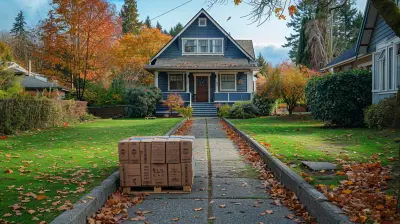
Let’s be honest. First impressions are everything. If a buyer pulls up and sees a shaky fence, untamed weeds, or peeling paint, they might write off your home before even stepping inside.Here’s What You Can Do:
- Mow the lawn and edge the sidewalk.- Add a few potted plants or flowers to brighten the space.
- Repaint the front door or update the hardware for a fresh look.
Simple touch-ups make a big difference. Think of curb appeal as your home’s welcome mat—it sets the tone before anyone walks through the door.
2. Not Deep Cleaning (Like, Really Deep)
You might think your house is clean. But trust me, buyers will notice things you’ve stopped noticing—dust on baseboards, greasy fingerprints on light switches, or that mysterious scent in the laundry room.What Needs Attention:
- Scrub bathrooms and kitchens until they shine.- Shampoo carpets or polish wood floors.
- Don’t forget windows, ceiling fans, and vents.
And yes, we’re talking "eat-off-the-floor" level clean. A spotless home signals to buyers that the place has been well cared for—not just staged for show.
3. Leaving Clutter Around
You’ve probably heard it before: less is more. That applies tenfold during an open house.Buyers want to imagine themselves living in your home, and that’s tough to do when they’re distracted by your collection of snow globes or kids’ toys scattered across the living room.
Decluttering Tips:
- Store personal items, like photographs or memorabilia.- Clear off countertops in the kitchen and bathrooms.
- Organize closets—it’s okay to leave them half full to show off storage space.
Think minimalist. The cleaner and more spacious your home appears, the easier it is for buyers to mentally move in.
4. Ignoring Odors
Have pets? Enjoy cooking with garlic? Smoke sometimes? Your nose might have gotten used to the smells, but potential buyers? They’ll notice immediately—and not in a good way.Fix the Funk:
- Use air purifiers and open windows before the open house.- Avoid strong-smelling candles or sprays which can come off as trying to mask something.
- Bake cookies or brew a pot of coffee instead—a warm, inviting scent works wonders.
Smell is powerful. It’s tied to emotion and memory. Don’t let a foul odor be what buyers remember most.
5. Hovering Over Buyers
It might seem helpful to stick around and point out how that dim closet is actually “super cozy,” but honestly—it’s awkward.Buyers need space to explore and speak freely. They won’t be able to imagine your home as theirs if you’re lurking in the hallway.
Let the Pros Handle It:
- Leave the house during the open house.- Let your real estate agent answer questions and guide the tour.
Trust the process. A good agent knows how to highlight the best features without being pushy.
6. Forgetting Small Repairs
Loose doorknobs, squeaky hinges, burnt-out light bulbs—tiny stuff, right? But when buyers notice a bunch of small issues, they start wondering about bigger, hidden problems.Before the Open House:
- Walk through every room and make a list of issues.- Tighten, patch, oil, or replace whatever needs attention.
- Don’t ignore the garage, shed, or basement—buyers will check these too.
A well-maintained home projects pride of ownership—and that builds buyer confidence.
7. Poor Lighting
Lighting can make or break a room. Dimly lit spaces feel smaller, drearier, and yes—less inviting.Bright Ideas:
- Open all curtains and blinds to let in natural light.- Replace any burnt-out or weak bulbs with bright, warm white ones.
- Consider using lamps to soften harsh overhead lighting.
Light has a subtle effect on the mood. You want buyers to feel energized and comfortable, not like they’re walking through a cave.
8. Neglecting the Exterior (Backyard & Garage Included)
Everyone focuses on the living area and kitchen, but buyers are thinking about the whole package—yard, garage, driveway, and all.Don’t Skip:
- Mow and edge the backyard.- Organize the garage (no, don’t just shove everything in there).
- Sweep the patio or deck, and maybe add a few outdoor chairs for appeal.
Every square foot counts when you’re selling. Use it to your advantage.
9. Not Securing Valuables or Sensitive Information
This one's serious. Open houses mean strangers walking through your private space.Keep It Safe:
- Lock away jewelry, medications, and important documents.- Password-protect or hide electronics like laptops or tablets.
- Remove calendars or notes with personal details (like upcoming vacations).
You want to be trusting, but you also have to be smart.
10. Skipping Out on Marketing and Signage
A beautiful open house doesn’t help much if no one knows it’s happening.Get the Word Out:
- Use your agent’s network to promote online listings.- Share the open house on social media and community boards.
- Make sure there are plenty of signs with clear directions.
Visibility is everything. Marketing expands your audience, increases traffic, and boosts your chances of landing that dream offer.
11. Over-Staging (Yes, That’s a Thing)
We’re all for staging—it helps buyers visualize the potential—but there’s a fine line between styled and staged-to-death. Fake fruit, sterile rooms, and overly “Pinterest-perfect” setups can feel… fake.Keep It Real:
- Aim for friendly and lived-in, not museum-level.- Use real plants, soft throws, and neutral décor accents.
- Don’t go overboard—buyers still want to see the actual home, not a setup.
Staging works best when it enhances the space, not when it steals the show.
12. Not Having a Game Plan for Pets
We love pets. But not everyone does. Some buyers might be allergic, and others just don’t want to be greeted by a barking dog or a curious cat.Pet-Proof the Open House:
- Arrange for pets to be out of the house during showings.- Remove litter boxes, pet beds, and food bowls.
- Vacuum thoroughly to eliminate fur and dander.
Let your home take center stage, not your furry friends.
13. Failing to Provide Info or a Takeaway
People love having something to hold onto—especially when they’re visiting multiple houses in one day. Without it, you risk getting lost in the shuffle.What to Hand Out:
- A printed flyer with home details, upgrades, and contact info.- A floor plan or property map if applicable.
- Highlight unique features like new roofing, energy-efficient windows, or top-rated schools.
Make yourself memorable—in a good way.
Final Thoughts
Hosting a successful open house isn’t rocket science, but it does take some strategy. If you’re prepared, organized, and focused on the buyer’s experience, you’ll avoid most of the common pitfalls that trip up sellers.Remember, the open house is about potential—it’s your home’s audition. So polish it up, set the stage, and let your property shine. Who knows? The right buyer might just fall in love at first sight.
all images in this post were generated using AI tools
Category:
Open HousesAuthor:

Elsa McLaurin
Discussion
rate this article
2 comments
Taryn Moses
This article offers valuable insights into navigating open houses effectively. By highlighting common pitfalls and providing practical tips, it empowers both buyers and sellers to make informed decisions, ultimately enhancing the overall experience in the real estate market.
March 12, 2026 at 7:39 PM
Elsa McLaurin
Thank you for your thoughtful feedback! I'm glad you found the insights helpful for both buyers and sellers.
Laura Gilbert
Open houses are like first dates—make a great impression or risk being ghosted! Ditch the stale cookies, keep it spotless, and remember: if the vibe’s off, buyers might just swipe left on your property. Bring your A-game!
February 27, 2026 at 3:47 AM
Elsa McLaurin
Great analogy! Creating a welcoming atmosphere and paying attention to details are key to making a lasting impression at open houses. Thank you for sharing!