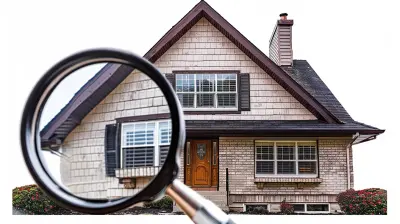
How to Handle Appraisal Issues in a Competitive Market
28 June 2026
Buying or selling a home in a competitive market can feel like navigating a minefield. Just when you think everything is going smoothly, an appraisal issue can throw a wrench in the deal. So, what do you do when the appraisal comes in lower than expected? How can you keep the deal from falling apart?
In this guide, we'll break down common appraisal issues, why they happen, and—most importantly—how to handle them like a pro. 
What Is a Home Appraisal?
Before we dive into solutions, let's get the basics straight. A home appraisal is an unbiased opinion of a property's value conducted by a licensed appraiser. Lenders require appraisals to ensure they aren't loaning more money than a property is worth.In a competitive market where bidding wars drive prices sky-high, appraisals often become a sticking point. Buyers may be willing to pay more for a home, but if the appraisal doesn’t match the agreed-upon price, it can put the whole deal in jeopardy. 
Common Appraisal Issues in a Competitive Market
1. Low Appraisal Value
One of the most frustrating situations is when the appraisal comes in lower than the purchase price. This can happen because:- The market is moving too fast for comparable sales (comps) to keep up.
- There's a lack of recently sold properties to justify the higher price.
- The appraiser isn't familiar with the nuances of the local market.
2. Overinflated Prices Due to Bidding Wars
In hot markets, buyers often bid much higher than the listing price just to win the deal. While this helps sellers, it creates an issue when the appraiser evaluates the home based on recent sales that don’t reflect the bidding war.3. Inaccurate or Outdated Comparable Sales
Appraisers rely on recent comparable sales to determine a home's value. If the comps used are outdated or not truly reflective of the market, they could lead to an unfairly low valuation.4. Property Condition Issues
If the home has significant issues—like an old roof, outdated electrical, or safety concerns—the appraiser might adjust the value downward to reflect the cost of necessary repairs.
How to Handle a Low Appraisal
If your home appraises for less than the agreed-upon sale price, don't panic! You have options.1. Request a Reconsideration of Value
Think the appraisal is inaccurate? You can challenge it! Gather data on recent comparable sales, highlight any mistakes in the report, and ask your lender to request a reconsideration.2. Negotiate with the Seller
If you're the buyer, you can ask the seller to lower the purchase price to match the appraisal value. In a buyer’s market, this is more likely, but in a seller’s market, it might be a tougher ask.3. Meet in the Middle
Splitting the difference is a common solution. The seller lowers the price slightly, and the buyer pays a little extra out-of-pocket to bridge the gap. It’s a win-win if both parties still want to move forward.4. Increase the Down Payment
If the appraisal comes in low, the lender will only approve financing based on that lower amount. As a buyer, you can make up the difference by increasing your down payment. This works well for buyers who have extra cash on hand.5. Find an Alternative Loan Program
Certain loan programs allow for more flexibility in appraisals. For example, some conventional loans or portfolio loans may be less strict. If you're struggling with a low appraisal, talk to your lender about alternative options.6. Order a Second Appraisal
Not happy with the first appraisal? Some loan types, like FHA and VA loans, don’t allow for a second appraisal, but in certain cases, you may be able to request another one. Keep in mind that this isn’t always successful, but if you believe the original appraisal was unfair, it’s worth considering.
How Sellers Can Prevent Appraisal Issues
If you're selling a home, you don’t want a low appraisal to derail your deal. Here’s how to reduce the risk before listing your property:1. Price Your Home Realistically
Sure, it’s tempting to list high in hopes of a bidding war. But if the final price is too inflated, you'll run into appraisal problems. Work with a knowledgeable real estate agent to price competitively while staying realistic.2. Provide a List of Upgrades and Improvements
Appraisers love data. If you've made valuable upgrades—like a kitchen remodel, new roof, or energy-efficient additions—provide a detailed list with receipts. This can help justify a higher value.3. Maintain Your Home's Condition
A well-maintained home will always appraise better than one needing obvious repairs. Before the appraisal, take care of any minor fixes or cosmetic touch-ups. Even fresh paint and landscaping can make a difference.4. Be Present (or Have Your Agent Present) During the Appraisal
While you can’t influence the appraiser’s decision, providing helpful information—like recent comps or details on upgrades—can ensure they don’t overlook important value-adding factors.How Buyers Can Protect Themselves from Appraisal Issues
As a buyer, you don’t want to overpay for a home, but you also don’t want an appraisal issue to ruin your dream home’s purchase. Here’s how to safeguard against problems:1. Include an Appraisal Contingency
An appraisal contingency allows you to renegotiate or back out of the deal if the appraisal comes in lower than expected. This protects you from having to pay more than the home is worth.2. Work with a Local Lender
Local lenders often have better relationships with appraisers who truly understand the market. This can lead to more accurate valuations and fewer surprises.3. Do Your Own Market Research
Look at recent comps yourself or ask your agent to provide a comparative market analysis (CMA). This helps set realistic expectations for the appraisal.4. Have a Backup Plan
If an appraisal issue arises, be ready with your options—extra cash, renegotiation, or even walking away if needed. Flexibility can save you from a lot of stress.Final Thoughts
Appraisal issues can be frustrating, but they don’t have to end a deal. Whether you're a buyer or a seller, understanding the process and knowing how to handle a low appraisal can save you time, money, and stress.In a competitive market, preparation is key. Stay informed, work with knowledgeable professionals, and always have a plan B. That way, even if an appraisal issue pops up, you’ll be ready to handle it like a pro.
all images in this post were generated using AI tools
Category:
Real Estate AppraisalAuthor:

Elsa McLaurin
Discussion
rate this article
1 comments
Inez Cook
Great insights on navigating appraisal challenges! In a competitive market, staying proactive and flexible is key. Remember, open communication with lenders and appraisers can make a big difference. Keep pushing forward; your efforts will pay off in the end!
July 6, 2026 at 3:52 AM