Key Factors That Affect Property Valuation
26 May 2026
If you've ever thought about buying or selling a property, you know the price tag is a big deal. But have you ever wondered what actually determines a home's value? Property valuation isn't just about location (though that plays a huge role). It's a complex puzzle with several key pieces that influence how much a property is worth.
Whether you're a homeowner, investor, or first-time buyer, understanding these factors can help you make smarter real estate decisions. So, let's dive into the most important elements that shape property valuation. 
1. Location, Location, Location
You've probably heard this before, but location is the king of real estate. A house in a prime neighborhood will always fetch a higher price than one in a less desirable area. But why?- Proximity to Amenities – Homes near schools, hospitals, parks, shopping centers, and entertainment hubs tend to have higher values. People love convenience!
- Crime Rate – A neighborhood with a low crime rate will always attract more buyers, pushing property prices up.
- Future Development – If an area has upcoming infrastructure projects like new highways, metro stations, or business hubs, property values are bound to rise.
If you're looking to invest, keep an eye on developing areas, as they often offer the best appreciation potential. 
2. Property Size and Usable Space
Size matters—but it’s not just about overall square footage. What really counts is usable space.- Total Square Footage – Larger homes tend to have higher valuations, but only if the space is well-utilized.
- Number of Bedrooms and Bathrooms – Extra bedrooms and bathrooms can significantly increase value, especially in family-friendly neighborhoods.
- Lot Size – A big yard or extra outdoor space can be a game-changer for buyers.
A huge house with wasted or awkward spaces may not be as valuable as a smaller home with a well-thought-out layout. 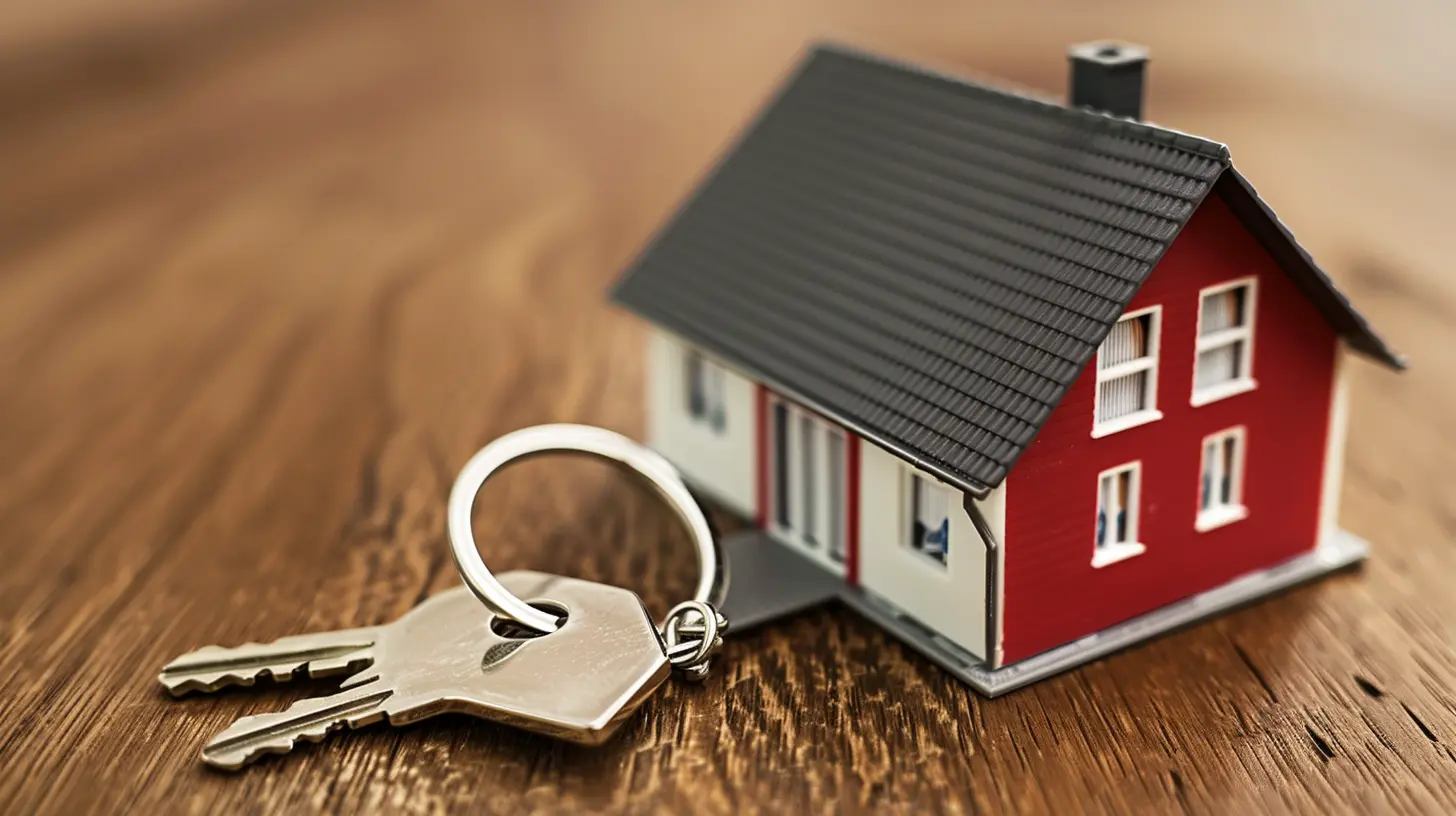
3. Property Condition and Age
Would you rather buy a brand-new home or one that requires major repairs? Most buyers prefer a move-in-ready house, which is why property condition plays a crucial role in valuation.- Newer Properties – Modern homes with up-to-date features and minimal maintenance needs tend to be worth more.
- Renovations & Upgrades – Updated kitchens, modern bathrooms, and smart home features can boost value significantly.
- Structural Integrity – A property with a strong foundation and well-maintained structure will always be more valuable than one with hidden issues.
If you're selling, minor upgrades like fresh paint, updated fixtures, or a deep clean can help increase your home's value. 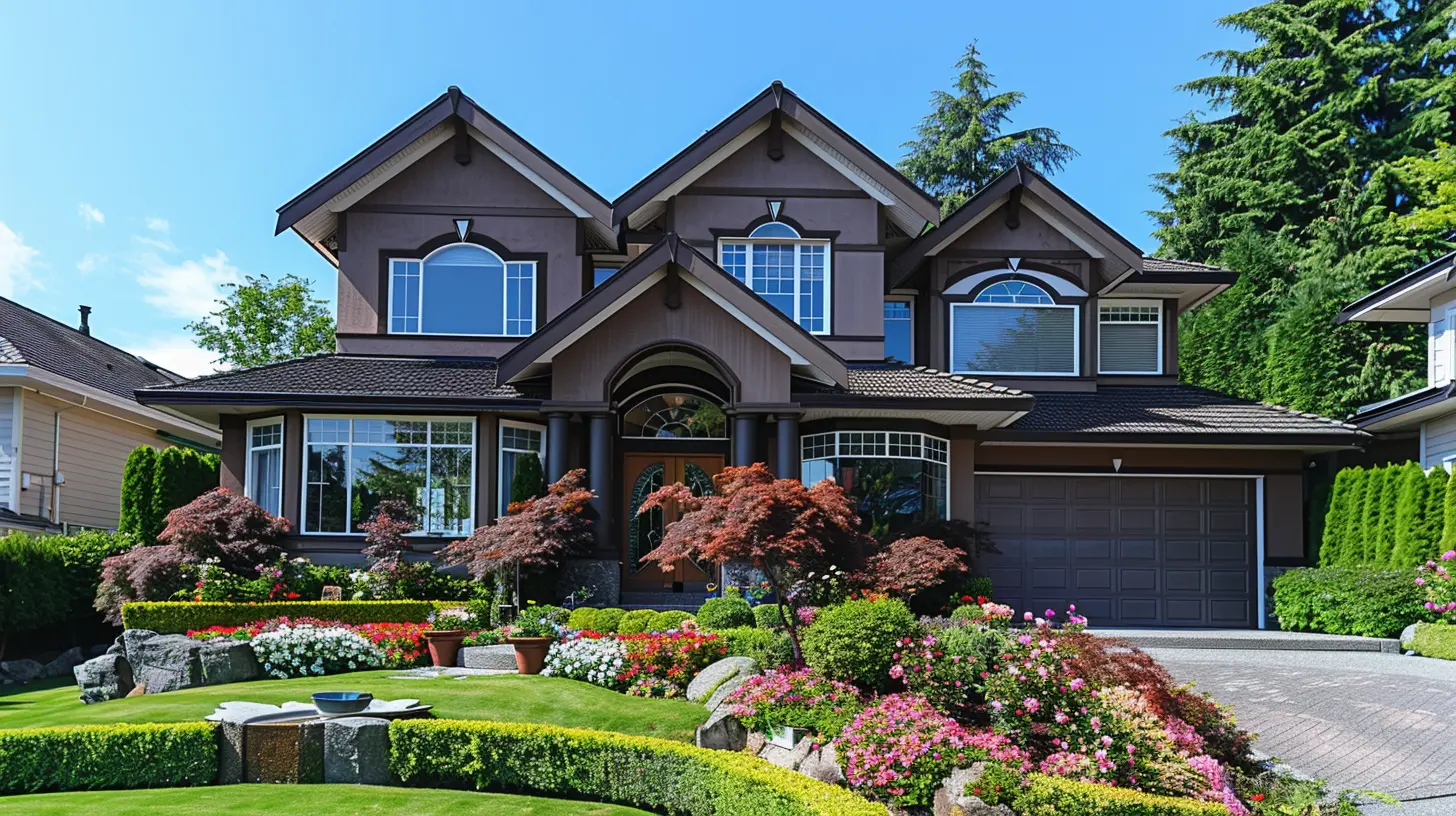
4. Market Conditions
The real estate market is always shifting, and property values fluctuate with supply and demand.- Seller’s Market – When demand is high and supply is low, property prices go up.
- Buyer’s Market – When there are more homes available than buyers, prices tend to drop.
- Interest Rates – Lower mortgage rates usually lead to higher property values, as more buyers enter the market.
Keeping an eye on current market trends can help you buy or sell at the right time.
5. Comparable Properties (Comps)
One of the main ways real estate agents and appraisers determine home value is by looking at comparable properties (comps).- Similar Homes in the Area – If similar homes in your neighborhood have sold for high prices, expect yours to have a higher valuation too.
- Recent Sales Data – The fresher the data, the more accurate the property valuation.
- Property Features & Differences – Even small differences, like a larger backyard or an extra bathroom, can make a significant impact on value.
If you're selling, check out recent sales in your area to get a ballpark estimate of your home's worth.
6. Economic Factors
The broader economy plays a huge role in real estate valuation. Think of it as the tide that lifts (or lowers) all boats.- Employment Rates – More jobs and a strong economy often lead to higher property values.
- Inflation – As the cost of living rises, so do real estate prices.
- GDP Growth – A growing economy usually means higher property values, while a downturn can lead to price drops.
If you’re an investor, keeping an eye on economic trends can help you make better decisions about when to buy or sell.
7. Zoning and Land Use Regulations
Not all properties are created equal—zoning laws can have a big impact on value.- Residential vs. Commercial Zoning – A property in a commercially zoned area may be worth more than a similar residential property.
- New Development Restrictions – Strict building codes or zoning laws can limit what can be done with a property, affecting its value.
- Future Expansion Possibilities – A home with the potential for expansion (like adding an extra floor or a guest house) is often worth more.
If you're buying, check local zoning regulations to see how they might affect property value over time.
8. Curb Appeal and Aesthetics
First impressions matter—especially in real estate.- Landscaping & Exterior Maintenance – A well-manicured lawn and a fresh coat of paint can add thousands to a home's value.
- Architectural Style – Unique or historic homes often have higher appeal, but they must be well-maintained.
- Neighborhood Uniformity – Homes that blend well with their surroundings tend to sell for more.
A little effort in boosting curb appeal can go a long way in increasing a property's valuation.
9. Supply and Demand in the Area
Simple economics: if there are more buyers than available homes, prices go up. If there are more homes than buyers, prices drop.- Urban vs. Suburban vs. Rural – Urban areas often have higher demand and higher prices, while rural properties may see slower appreciation.
- Seasonal Demand – Spring and summer are usually the best times to sell, as buyer demand peaks.
- Population Growth – Areas experiencing rapid population growth often see a rise in property values.
Keeping tabs on local real estate trends can help you make informed buying or selling decisions.
10. Property Tax Rates
Nobody likes paying taxes, but they do play a role in property valuation.- Higher Taxes = Lower Demand – Areas with high property taxes may struggle to attract buyers, keeping home values in check.
- Tax Incentives or Exemptions – Some areas offer tax breaks to homeowners, which can increase demand and drive up prices.
- Tax Increases Over Time – If an area's property taxes are expected to rise significantly, it can impact long-term property valuation.
If you're buying, make sure you're aware of any tax implications before committing.
Final Thoughts
Property valuation is a mix of art and science, influenced by everything from market trends to the size of your backyard. Understanding these key factors can help you make smarter real estate decisions, whether you're buying, selling, or investing.If you're thinking about selling, small home improvements, good timing, and knowing your local market can make a huge difference in your final sale price. For buyers, knowing what affects value can help you negotiate better and make a sound investment.
At the end of the day, real estate is all about demand, desirability, and dollars. Make sure you're on the right side of the equation!
all images in this post were generated using AI tools
Category:
Real Estate AppraisalAuthor:

Elsa McLaurin
Discussion
rate this article
2 comments
Ian Ruiz
Location, property condition, market trends, and economic factors are crucial in determining valuation.
August 11, 2026 at 4:50 AM
Elsa McLaurin
Absolutely, those factors play a vital role in shaping property value. Understanding their impact is essential for accurate assessments.
Everett Diaz
Location and condition are crucial for property value.
May 26, 2026 at 2:28 AM
Elsa McLaurin
Absolutely, location and condition significantly influence property value. They often determine demand and can greatly affect pricing.