The Connection Between Socialization and Well-being in Retirement Homes
22 July 2026
When you think of retirement homes, what comes to mind? A quiet lifestyle? Peaceful afternoons? Maybe a few rounds of bingo? While all of those are part of the package, there’s something much deeper and more important that often goes unnoticed—socialization.
Let’s be real, as human beings, we crave connection. It doesn’t magically disappear just because we hit a certain age. In fact, that need for connection becomes even more critical in our golden years. So today, let’s dive into how socialization directly impacts well-being in retirement homes—and why it might just be the secret sauce for a fulfilling retired life.
Why Socialization Matters More Than Ever in Retirement
Think about it: after decades of working, raising families, and engaging with the world daily, retirement can bring a sudden, dramatic shift in routine. For many seniors, that transition can feel isolating. No more morning coffee chats with colleagues or spontaneous lunch dates with friends.This is where retirement homes can either become havens for growth—or breeding grounds for loneliness. The difference? Social interaction.
Socialization doesn’t just “help”; it is an essential building block of emotional, mental, and even physical health. Whether it’s participating in community activities or just having a buddy to share lunch with, these interactions can dramatically affect how a senior feels about life.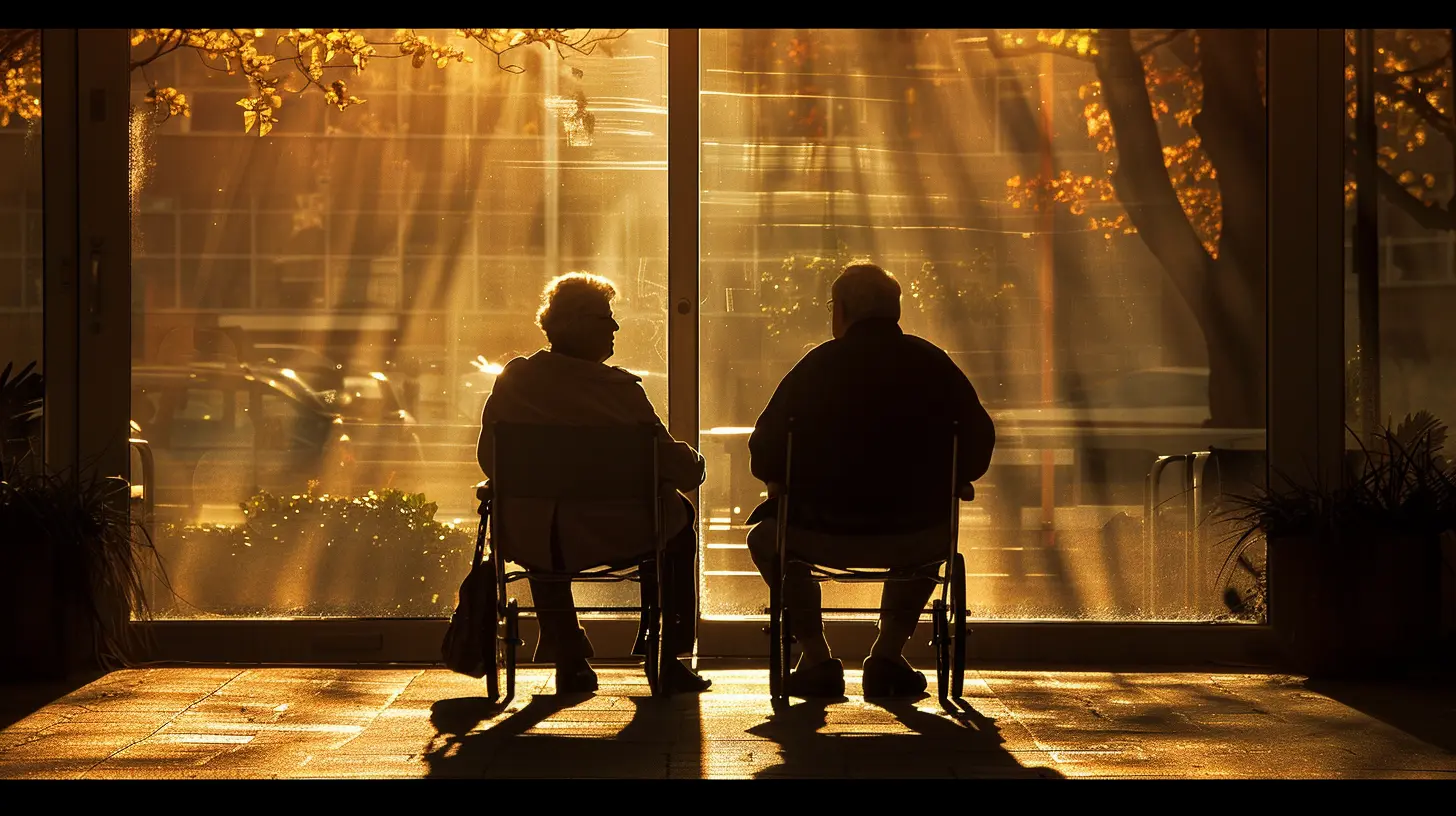
The Mental Health Boost of Staying Social
We’ve all heard the saying, “Laughter is the best medicine,” right? Well, socialization is the prescription. Studies consistently show that seniors who engage socially experience lower levels of depression, anxiety, and cognitive decline. Why? Because chatting with others, sharing memories, and simply feeling heard give the brain a workout.Combating Loneliness and Depression
Let’s face it—loneliness is brutal. It doesn’t just hurt emotionally; it can lead to real physical consequences, like high blood pressure, heart disease, and even a weakened immune system. Retirement homes that promote social engagement help minimize these risks.Daily interactions—like group meals, games, or simple hallway conversations—can go a long way in making seniors feel like they belong. And belonging? That’s the first step toward emotional well-being.
Slowing Cognitive Decline
Ever notice how talking to someone can jog your memory? Engaging in conversation keeps the mind sharp. Social activities that involve problem-solving, storytelling, or games like trivia and chess actually stimulate brain function. In short, being social is like giving the brain a regular tune-up.
Emotional Wellness: The Hidden Gem of Community Living
Emotional wellness isn’t just about avoiding negative feelings; it’s about experiencing joy, purpose, and connection. Retirement homes that foster a sense of community often see happier residents—and it’s no mystery why.A Renewed Sense of Purpose
When seniors actively participate in clubs, volunteer activities, or mentorship programs within a retirement home, they feel useful and valued. Feeling needed gives life meaning, plain and simple. And is there anything more vital to mental health?Building New Friendships
Friendships don’t have expiration dates. Whether you're 18 or 80, making a new friend can change your entire outlook. Retirement homes are ideal environments for building relationships. Shared meals, group outings, and hobby clubs provide natural opportunities to connect with others who have similar interests.
The Physical Perks of Social Engagement
Socialization isn’t just a mood-booster—it can literally make you healthier. Let’s break down how staying socially active translates to physical well-being.Encourages Physical Activity
Let’s admit it—you're more likely to go for a walk if you’ve got a buddy. Group exercise classes, dance nights, or even communal gardening projects can inspire seniors to stay active. And as we all know, movement is crucial for maintaining mobility, balance, and overall health.Healthy Eating Habits
You know how eating alone doesn’t always inspire a salad and grilled chicken? Well, that’s true at any age. Shared meals in retirement homes not only offer healthier, balanced diets but also enhance appetite and enjoyment. Eating becomes an event to look forward to rather than just a necessity.Better Sleep Patterns
Believe it or not, social interaction can improve sleep. A fulfilling day filled with activity and engagement helps regulate the body’s internal clock. Residents who feel emotionally and physically satisfied tend to sleep better—and that leads to better overall health.Socialization as a Pillar of Holistic Care
Many modern retirement communities now focus on holistic care—addressing not just physical, but emotional, mental, and spiritual well-being. Socialization is at the heart of this approach.Engagement Programs
High-quality retirement homes often offer a packed calendar of activities: art classes, music therapy, game nights, movie clubs, religious services, and more. These aren’t just time-fillers; they’re well-thought-out programs designed to ignite joy and connection.Personalized Care Plans
Some communities take it a step further by tailoring care plans to each resident—including social needs. For example, introverted individuals may prefer quiet one-on-one sessions, while extroverts might thrive in large group activities. It’s all about creating a space where each resident feels comfortable expressing themselves.The Role of Technology in Staying Connected
You don’t need to be a tech wizard to stay social these days—though many seniors are becoming quite skilled! With the rise of user-friendly tech, residents can stay in touch with distant family members, participate in virtual events, and even make new friends online.Video Calls with Family
Skype, Zoom, FaceTime—these tools help bridge the gap when loved ones can’t visit in person. Just seeing a familiar face and having a casual chat can uplift a senior’s spirits more than you might think.Virtual Communities and Clubs
Some retirement homes now offer virtual book clubs, online discussion forums, and video game competitions. Not only are these fun, but they also give residents an opportunity to stay socially active even from the comfort of their rooms.Socially Thriving = Living Longer
Here’s the kicker: seniors who maintain active social lives tend to live longer. Yep, it’s true.Numerous studies show that social interaction is linked to longevity. It’s not just about adding years to life—it’s about adding life to those years. People are simply healthier and happier when they’re socially connected.
What Families Should Look For in a Retirement Home
If you’re helping a loved one find the right retirement community, don’t just focus on amenities and healthcare options—dig into the social scene, too.Here are a few questions to consider:
- Is there a diverse calendar of social activities?
- Are there accessible common areas for casual socializing?
- How often are events held, and who organizes them?
- Are there dedicated staff members for engagement programs?
A socially vibrant environment is just as important as top-notch medical care. After all, what’s the point of good health without joy and companionship?
Overcoming Barriers to Socialization
Of course, not all seniors jump into social life with open arms. Some face challenges like shyness, cognitive impairments, or physical limitations. That’s why staff in high-quality retirement homes play a critical role in gently encouraging participation, offering inclusive activities, and promoting a culture of acceptance.Small steps make a big difference. Even a five-minute chat can be the beginning of a valuable new connection.
Final Thoughts: It’s All About Connection
At the end of the day, no one wants to feel forgotten. We all want to feel seen, heard, and loved. Retirement homes that understand the importance of socialization are more than just facilities—they become communities, families even.Whether it’s sharing a laugh over morning coffee, joining a painting class, or simply having someone ask, “How was your day?”—these moments matter. They enhance well-being in ways that medicine alone never could.
So, the next time you think about retirement living, don’t just think about safety and comfort. Think about connection. Because well-being in retirement isn’t just about where you live—it’s about who you live it with.
all images in this post were generated using AI tools
Category:
Retirement HomesAuthor:

Elsa McLaurin
Discussion
rate this article
1 comments
Eli Lee
This article highlights an important aspect of retirement living. Socialization is crucial for mental and emotional well-being, and fostering connections in retirement homes can significantly enhance residents' quality of life. Communities that prioritize engagement and interaction can create a fulfilling environment for their residents, promoting happiness and health in later years.
July 25, 2026 at 12:27 PM
Elsa McLaurin
Thank you for your thoughtful comment. I completely agree that social connections are vital for well-being in retirement homes. Creating engaging communities can truly transform lives.