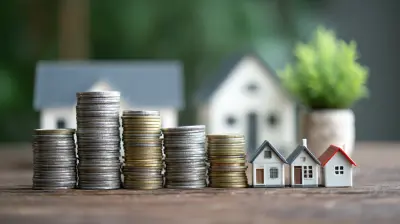
The Impact of Home Renovations on Appraisal Values
17 August 2026
Home renovations are an exciting yet nerve-wracking endeavor. Whether you're upgrading your kitchen, adding a new bathroom, or sprucing up your outdoor space, there's always the lingering question—will this increase my home's value?
When it comes to home appraisals, not all renovations are created equal. Some improvements significantly boost the value of your home, while others may not move the needle as much as you'd hope. So, if you're planning a remodel with resale in mind, it's essential to understand how renovations impact appraisal values—and which ones are worth the investment.
Let's break it down so you can make informed decisions about your home's upgrades. 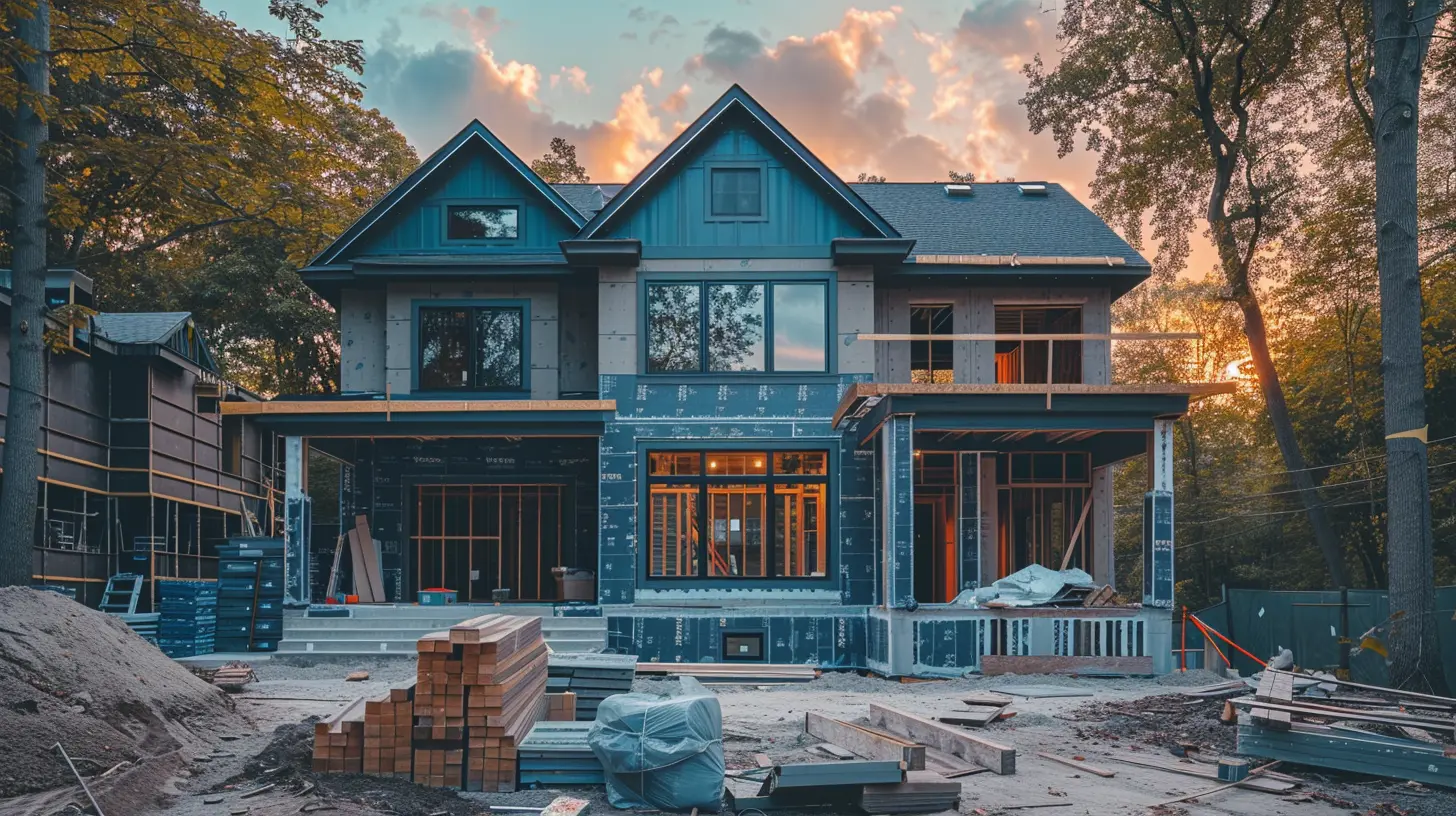
What Home Appraisers Look At
Before we dive into renovations, let's talk about the appraisal process. When a professional appraiser assesses your home, they consider several factors, including:- Location – The neighborhood, school district, and local amenities play a huge role.
- Size and Layout – Square footage, number of bedrooms, and overall functionality matter.
- Condition – A well-maintained home scores higher than one needing repairs.
- Upgrades and Renovations – High-quality improvements can increase value.
- Comparable Sales – Recent sales of similar homes in your area help determine worth.
Even with a stunning new kitchen, if your home is in a less desirable area or has severe structural issues, your appraisal may not reflect the full value of your renovations. 
How Renovations Impact Your Home’s Appraisal
Not all home upgrades translate into significant appraisal increases. To maximize your investment, focus on renovations that appraisers highly value.1. Kitchen Upgrades: The Heart of the Home
The kitchen is often considered the heart of a home, and an outdated one can be a dealbreaker for buyers. An upgraded kitchen can significantly boost your home's appraisal value. But before you splurge on luxury appliances, keep in mind that:- Minor kitchen remodels (painting cabinets, new countertops, updated hardware) often yield a higher return on investment (ROI) than major overhauls.
- High-end upgrades might not always fetch a higher appraisal unless the surrounding homes are similarly upgraded.
- Energy-efficient appliances and modern finishes tend to be more appealing and can sway an appraisal in your favor.
2. Bathroom Remodels: Small Changes, Big Impact
A well-designed, modern bathroom can add real value to your home. Appraisers take note of upgraded fixtures, new tiles, and additional storage. Here’s what works:- Updating old plumbing and fixtures improves functionality and aesthetics.
- Adding a second bathroom (if you only have one) can make a dramatic difference in an appraisal.
- New vanities, lighting, and water-efficient toilets show appraisers that the home is well-maintained.
3. Curb Appeal: First Impressions Matter
The exterior of your home is just as important as the inside. A well-maintained yard and fresh paint can increase your home's appraisal value.- Landscaping improvements (healthy grass, trimmed hedges, and colorful plants) make a home look inviting.
- A new front door or garage door can improve energy efficiency and curb appeal.
- Freshly painted siding makes a home feel newer and well-kept.
4. Adding Square Footage: Bigger Is (Usually) Better
If your budget allows, adding more living space is one of the most lucrative renovations. Bigger homes often appraise higher, especially if the added space is functional.- Finishing a basement or attic can turn unused space into valuable square footage.
- Adding a sunroom or home office increases usable space, appealing to modern buyers.
- Building an extra bedroom or expanding the living room makes your home more competitive in the market.
5. Energy Efficiency Improvements: A Smart Investment
Green home improvements are gaining traction in appraisals. Buyers (and appraisers) appreciate lower utility costs and sustainable homes.- Installing solar panels can significantly increase your home's appraisal (depending on your area).
- Energy-efficient windows and insulation improve comfort and lower energy bills.
- Smart thermostats and LED lighting show long-term cost savings.
6. Flooring Upgrades: A Touch of Elegance
Floors take a beating over the years, and old carpets or worn-out hardwood floors can drag down an appraisal.- Hardwood flooring or high-quality laminate generally provides the highest ROI.
- Replaced or deep-cleaned carpets can freshen up the space.
- Tile or luxury vinyl plank (LVP) flooring is a cost-effective, durable option. 
Renovations That May Not Increase Your Appraisal Much
While many renovations add value, some don't provide as high of an ROI as homeowners expect.1. Swimming Pools – A Hit or Miss
Pools can be a fantastic addition, but they often don’t add as much value as the installation cost. Maintenance costs and safety concerns can deter buyers, and appraisers may not weigh them heavily.2. High-End Luxury Upgrades
Ultra-customized renovations—think $50,000 chandeliers or gold-plated faucets—may look stunning but won't necessarily increase your home's market value. Over-improving a home beyond its neighborhood’s norm can backfire.3. Personal Preferences That Don’t Appeal to Everyone
- Converting a garage into a gym? Some buyers may love it, but others may prefer a functional garage.- Built-in home theaters? Cool, but not always a necessity for buyers.
- Highly specific design choices (e.g., overly bold colors) might require repainting later.
How to Maximize Your Appraisal Value Post-Renovation
Once you've made your renovations, it’s crucial to present your home in the best light during an appraisal. Here’s how to ensure you get the most value:1. Keep Records of Your Upgrades – Provide receipts and documentation for any major renovations.
2. Make Small Repairs Before the Appraisal – Fix leaky faucets, cracked tiles, and chipped paint.
3. Deep Clean and Declutter – A tidy home looks well-maintained.
4. Boost Curb Appeal Last Minute – Trim hedges, mow the lawn, and put out fresh flowers.
5. Highlight Energy-Efficient Features – If you've added solar panels or new insulation, point them out during the appraisal.
Final Thoughts: Are Home Renovations Worth It?
If done wisely, home renovations can significantly boost your appraisal value and overall market appeal. However, it’s essential to prioritize high-impact upgrades that align with your home’s value and neighborhood trends.Before taking on a big renovation, consider:
- Will this renovation align with buyer demand in my area?
- Am I over-improving my home compared to my neighborhood?
- Will my return on investment justify the cost?
When in doubt, consulting a real estate professional or appraiser before making big changes can help ensure you’re making the most beneficial upgrades.
At the end of the day, your home should be a place you love—so choose renovations that not only increase value but also enhance your quality of life.
all images in this post were generated using AI tools
Category:
Real Estate AppraisalAuthor:

Elsa McLaurin
Discussion
rate this article
1 comments
Journey Griffin
Home renovations can be a game changer. It's amazing how a fresh coat of paint or an updated kitchen can not only elevate your space but also boost its value. Smart investments really pay off in the long run!
September 12, 2026 at 3:55 AM