The Importance of Depersonalizing Your Home Before Selling
3 January 2026
Selling a home can be an emotional rollercoaster. From the excitement of moving to a new place to the bittersweet feeling of leaving behind cherished memories, it’s a mix of emotions. But if you want to sell your house quickly and at the best price, you need to shift your mindset from "homeowner" to "home seller."
One of the most important steps in this transition? Depersonalizing your home. It might sound like a small detail, but trust me—it makes a world of difference. Let’s dive into why depersonalizing is so crucial and how you can do it effectively. 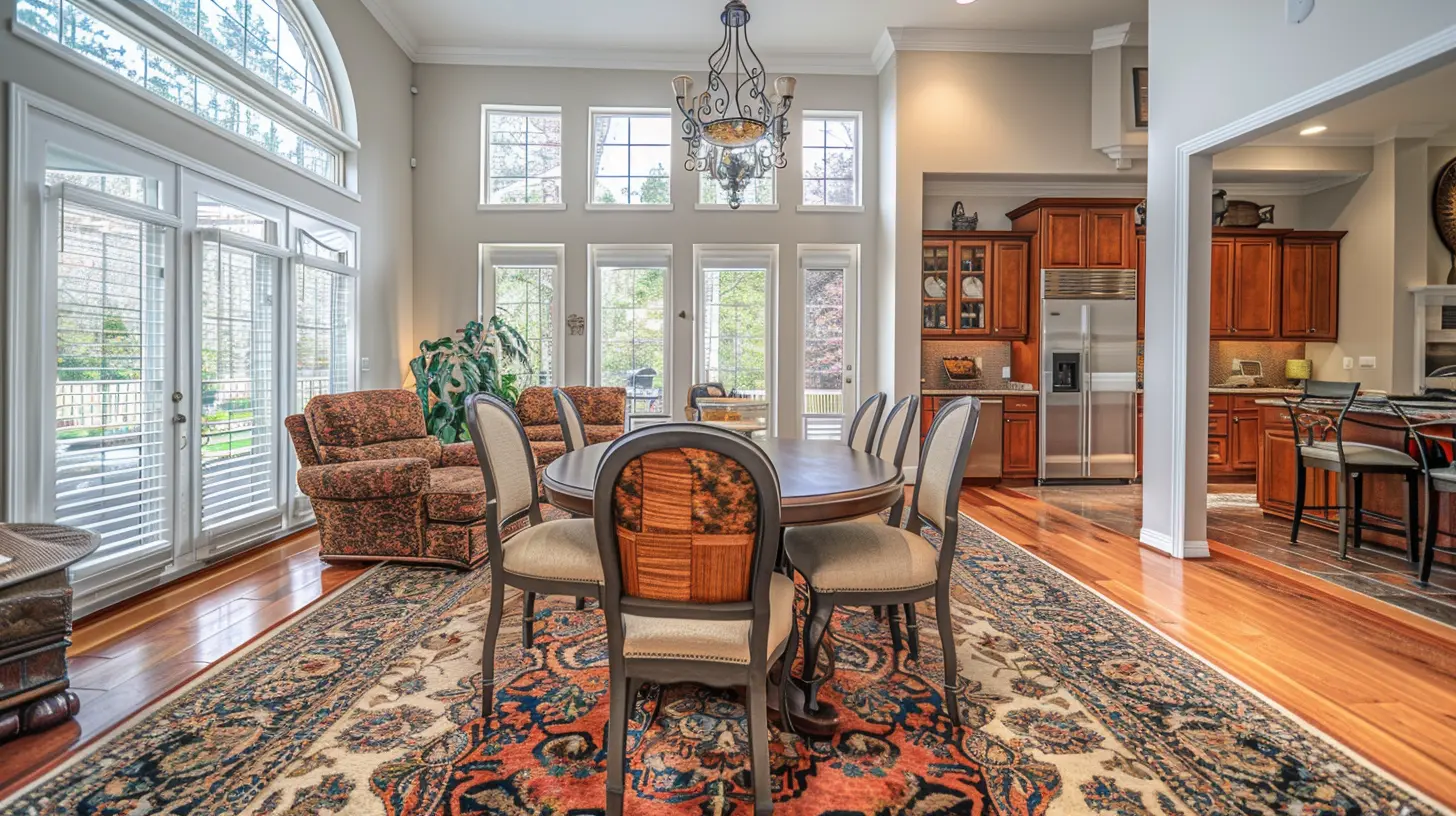
What Does "Depersonalizing" Your Home Mean?
Depersonalizing simply means removing personal items, decorations, and memorabilia that reflect your personality and life story. The goal is to create a neutral space where potential buyers can imagine themselves living there, rather than feeling like they’re stepping into someone else’s home.Think of it like staging a model home—clean, inviting, and free of distractions. 
Why Depersonalizing Matters
1. It Allows Buyers to Visualize Themselves in the Space
Imagine walking into a home for sale and seeing walls covered with family photos, kids’ artwork on the fridge, and a bathroom filled with personal care items. It instantly reminds you that this house belongs to someone else, making it harder to picture yourself living there.Buyers want to feel an emotional connection to a home, and that connection grows strongest when they can see their own lives unfolding there. The less "you" in the space, the easier it becomes for buyers to visualize their own furniture, style, and family inside.
2. It Creates a Neutral Atmosphere
Not every buyer shares your taste in home decor. While you might love bright, bold colors or quirky collectibles, a potential buyer might have a completely different style.Depersonalizing helps create a neutral environment that appeals to a wide range of buyers, making your home more marketable. A neutral space allows buyers to focus on the features of the home rather than being distracted by personal items.
3. It Helps Your Home Appear More Spacious
Clutter can make a home feel smaller than it actually is. Personal items like books, trinkets, and excessive decor can crowd a space, making it seem cramped and less inviting.By packing away non-essential items, you create clean lines and open spaces that make rooms appear larger and more comfortable. And let’s be honest—everyone loves a home that feels spacious and airy!
4. It Leads to Better Listing Photos
In today’s digital age, most homebuyers begin their search online, scrolling through listing photos before deciding which homes to visit in person. If your home is full of personal touches, messy shelves, or bold decorating choices, it could turn off potential buyers before they even step foot inside.Depersonalizing ensures that your listing photos look clean, professional, and inviting, increasing the chances of attracting more buyers.
5. It Speeds Up the Selling Process
A well-staged, depersonalized home tends to sell faster and often for a higher price. Buyers are more likely to make an offer on a home that feels move-in ready. The less work they have to do to make the space feel like their own, the more attractive your home becomes.
How to Depersonalize Your Home Like a Pro
Now that you know why depersonalizing is so important, let’s break down how to do it effectively.1. Remove Personal Photos
Take down framed family pictures, scrapbooks, wedding portraits, and any personalized wall art. You want buyers to focus on the home’s features, not the people who live there.Replace personal photos with neutral artwork or mirrors to create a more universally appealing space.
2. Clear Off Surfaces
Your kitchen counters, bathroom sinks, and coffee tables should be free of clutter. Pack away personal items like:- Toothbrushes and toiletries
- Mail, keys, and paperwork
- Fridge magnets, notes, and drawings
- Religious or political decor
Think of it this way—if it’s not essential for daily use, put it away.
3. Pack Away Collections and Memorabilia
While your baseball card collection or shelf full of travel souvenirs might mean the world to you, they could be distracting to buyers. Large collections can overwhelm a space and make it harder for buyers to see the home’s true potential.Box up collectibles and display only a few tasteful decorative pieces instead.
4. Neutralize Bold Decor
If your home has bright-colored walls, themed rooms, or unique decor choices, consider toning things down. Neutral colors like white, beige, or light gray create a blank canvas that appeals to a wider range of buyers.If painting isn’t an option, you can still minimize bold decor by swapping out loud patterns for softer tones and reducing visual clutter.
5. Simplify Bedrooms
Bedrooms should feel like calm, relaxing retreats—not personal shrines. Remove:- Personalized bedding and pillows
- Excessive throw blankets
- Personal items from nightstands
Keep the decor simple with neutral bedding, minimal furniture, and soft lighting to create a cozy, inviting atmosphere.
6. Store Away Kids’ Items and Pet Supplies
While many buyers may also have kids or pets, not everyone wants to see toys, pet beds, or litter boxes during a showing. Tidy up play areas, store away pet food bowls, and make sure everything looks clean and organized.A well-maintained space signals to buyers that the home has been lovingly cared for.
7. Organize Closets and Storage Spaces
Buyers love storage space, and they WILL open closets and cabinets. If they see overflowing shelves and stuffed drawers, it can give the impression that there’s not enough space.To make closets feel bigger, declutter and organize, leaving only a few neatly arranged items inside. 
Final Thoughts
Depersonalizing your home isn’t about stripping away its charm—it’s about making it as appealing as possible to potential buyers. Think of it as setting the stage for someone else’s story to unfold.By removing personal items, neutralizing decor, and creating a fresh, welcoming space, you increase your chances of selling your home faster and for a better price.
So, grab some boxes, start packing, and get ready to make your home feel like a buyer’s dream!
all images in this post were generated using AI tools
Category:
Real Estate TipsAuthor:

Elsa McLaurin
Discussion
rate this article
2 comments
Kennedy Benton
Great article! I never realized how much personal touches can distract potential buyers. It's such a smart move to make the space feel welcoming and neutral. Can't wait to put this advice into practice when selling!
February 2, 2026 at 1:05 PM
Elsa McLaurin
Thank you! I'm glad you found the article helpful. Best of luck with your home selling process!
Halle Monroe
Depersonalizing your home is crucial for attracting buyers. It allows them to envision their own lives in the space.
January 6, 2026 at 5:03 AM
Elsa McLaurin
Absolutely! Depersonalizing helps create a neutral environment, making it easier for potential buyers to imagine themselves in the space.