The Rise of Smart Homes: What It Means for Real Estate Investors
15 February 2026
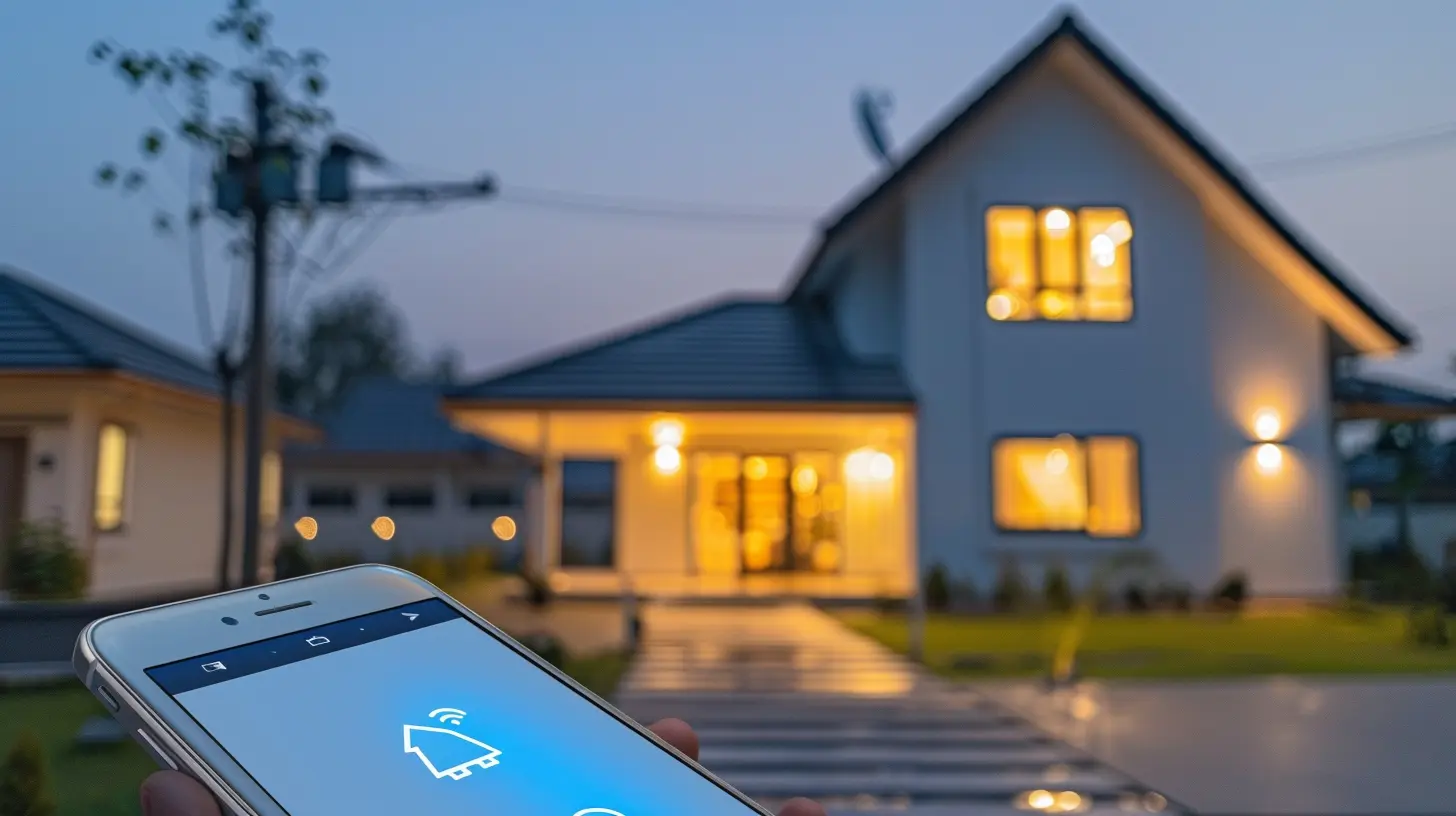
Technology is transforming every aspect of our lives, and real estate is no exception. One of the most exciting advancements in recent years is the rise of smart homes. From voice-controlled lighting to security systems that can be monitored remotely, smart homes bring convenience, efficiency, and safety to homeowners.
But what does this mean for real estate investors? Should you start investing in smart properties? And if so, how can you maximize your returns? Let's dive into the world of smart homes and see how they’re reshaping the real estate landscape.
What Exactly Is a Smart Home?
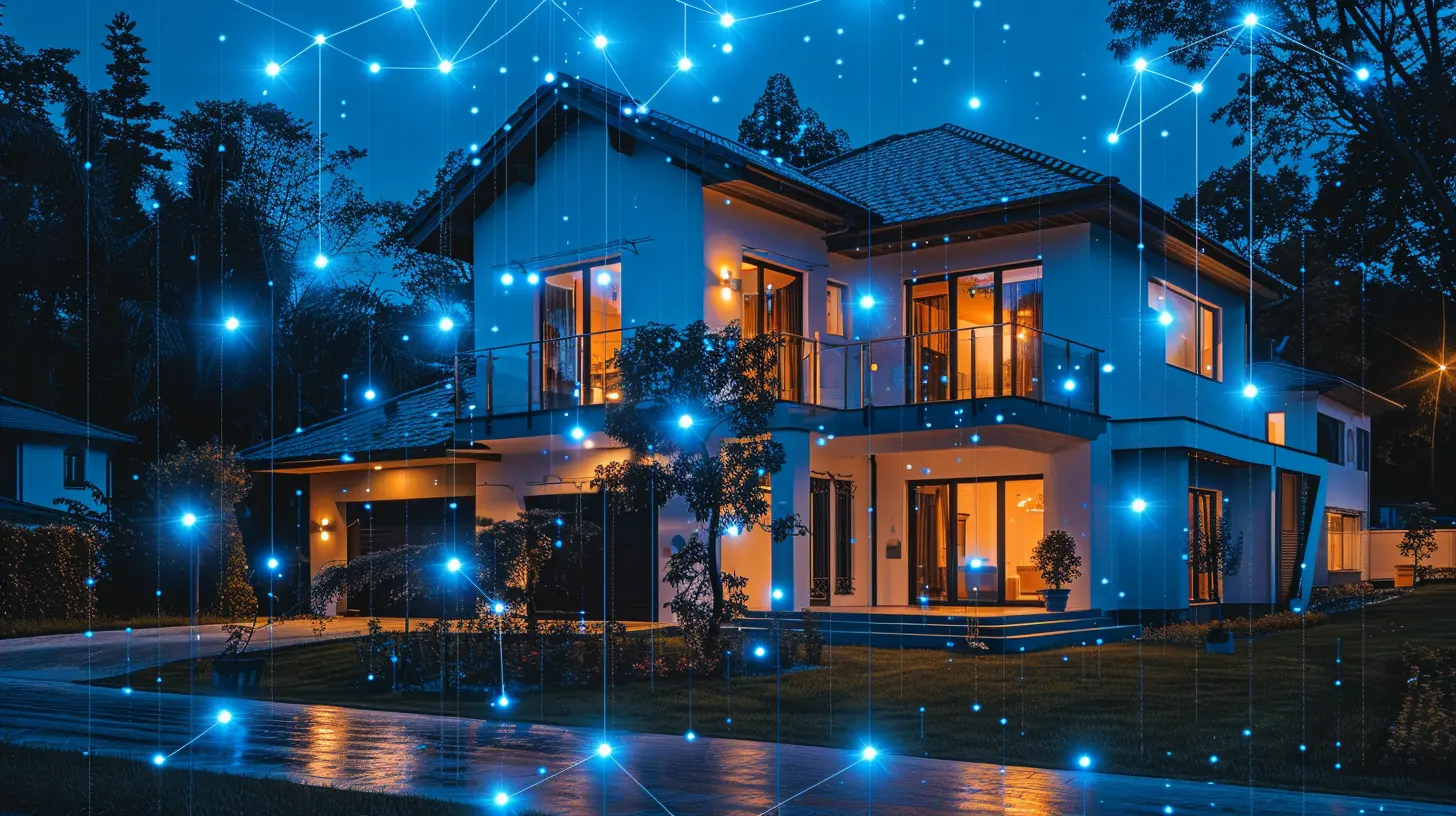
Before we get into the investment side of things, let’s define what a smart home actually is. A smart home is a property equipped with technology that allows homeowners to automate and control various household functions remotely. This includes devices like:- Smart thermostats (e.g., Nest or Ecobee) that adjust temperatures based on user preferences
- Smart security systems with remote monitoring
- AI-powered voice assistants (Alexa, Google Home, Siri)
- Automated lighting and blinds that can be controlled via smartphone
- Smart appliances such as refrigerators, ovens, and washing machines
Simply put, a smart home is all about convenience, security, and energy efficiency—three things modern buyers and renters absolutely love.
Why Are Smart Homes Gaining Popularity?
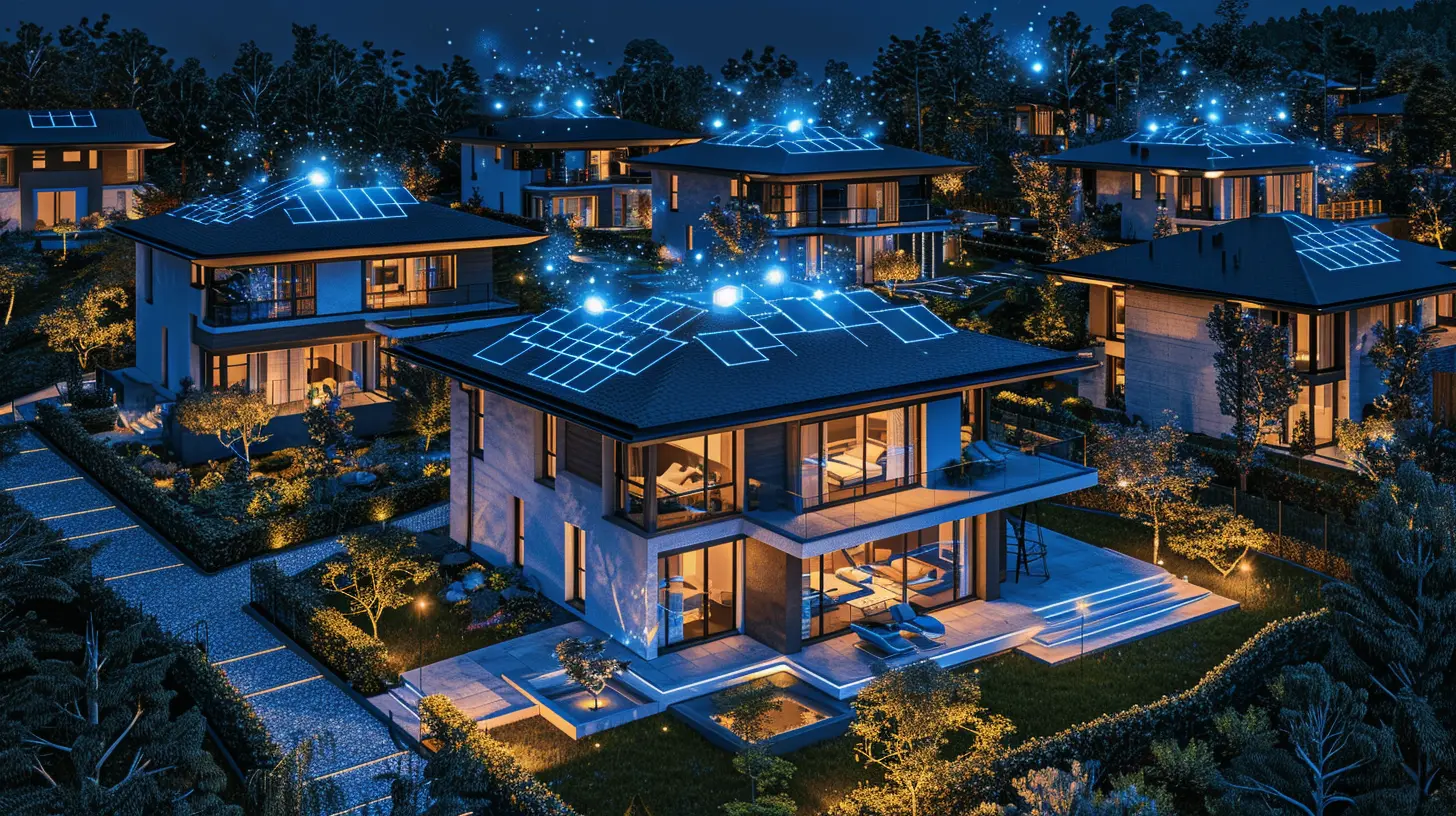
The adoption of smart home technology has surged in recent years, and there are a few key reasons behind this trend:1. Convenience at Its Finest
Imagine controlling your entire home with just your voice or a smartphone app. Smart homes eliminate the need for manual adjustments, making daily tasks easier. Homeowners can lock doors remotely, set schedules for appliances, and manage energy consumption—all with a few clicks.2. Enhanced Security & Safety
Security concerns are always top-of-mind for homeowners and renters. Smart security systems provide real-time monitoring, motion detection, and even facial recognition features, giving residents peace of mind whether they’re home or away.3. Energy Efficiency & Cost Savings
Smart homes aren’t just about cool gadgets—they’re also about saving money. Automated thermostats, lighting, and appliances help reduce energy consumption, leading to lower utility bills. As energy prices rise, buyers and renters are increasingly looking for homes that offer sustainable living solutions.4. Rising Demand from Millennials & Gen Z
Younger generations are tech-savvy and expect modern conveniences in their homes. As these groups become the dominant homebuyers and renters in the market, the demand for smart homes will continue to grow.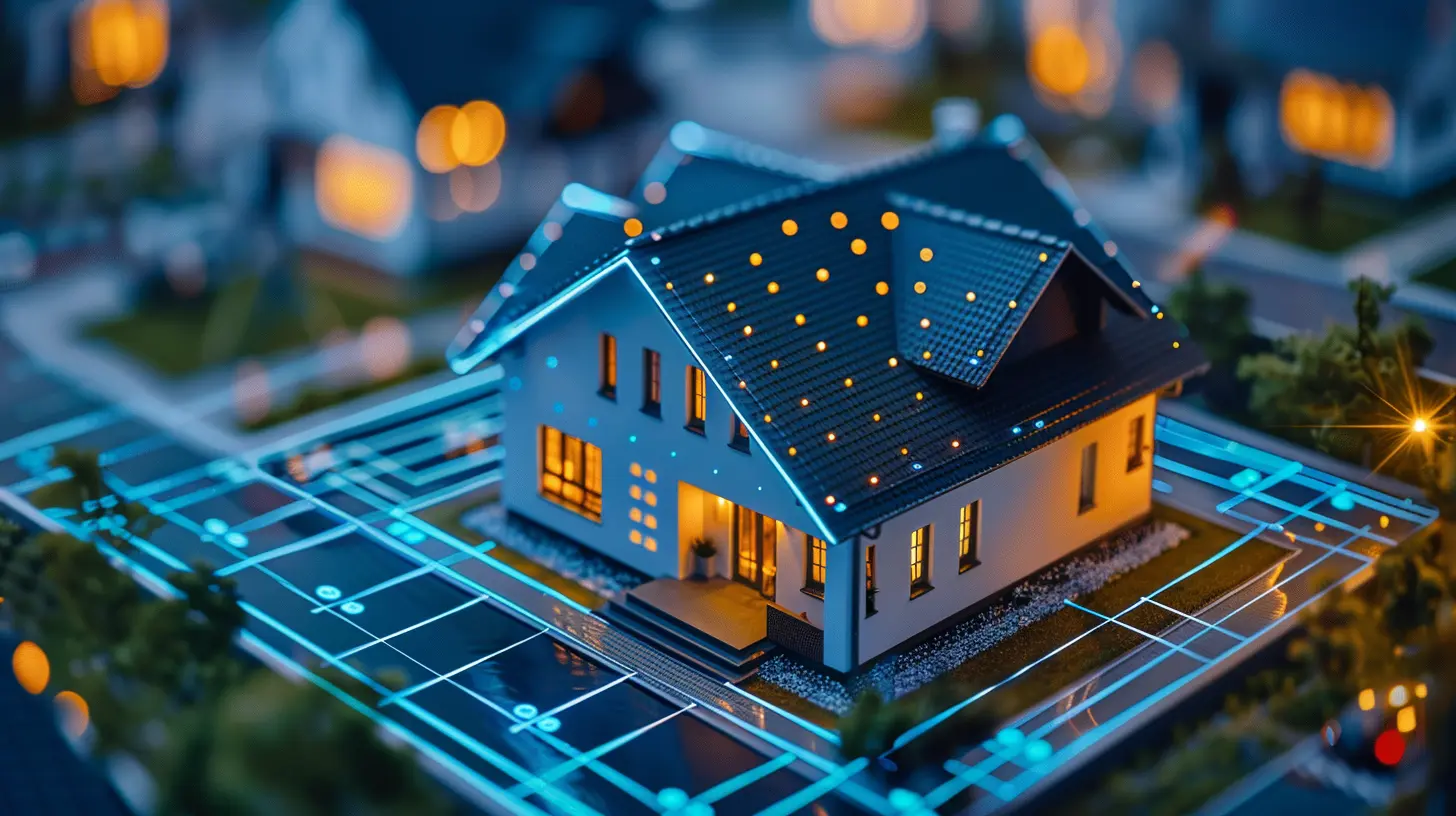
The Impact of Smart Homes on Real Estate Investing
Now that we understand why smart homes are gaining traction, let’s talk about what this means for real estate investors.1. Higher Property Values
Homes equipped with smart technology often sell at a premium. According to several studies, smart homes can fetch anywhere from 5-10% more than traditional homes. If you’re flipping properties or looking to sell at a higher price, investing in smart upgrades is a smart move.2. Increased Rental Income
For rental property investors, smart homes can command higher rents. Tenants are willing to pay extra for convenience and security. A smart thermostat, keyless entry, and automated lighting might not seem like major upgrades, but these small improvements can make a substantial difference when marketing your rental units.3. Competitive Advantage in the Market
The real estate market is competitive, and standing out is crucial. A smart home feature package can set your property apart from others in the neighborhood. Whether you’re selling or renting, highlighting smart home capabilities in listings can attract more interest and drive faster conversions.4. Long-Term Cost Savings for Investors
Although smart home gadgets require an initial investment, they can actually save money in the long run. For example:- Smart thermostats reduce energy costs in rental properties.
- Keyless entry eliminates the need to replace lost keys.
- Smart water sensors can detect leaks before they cause significant damage.
Over time, these savings add up, making smart home investments financially beneficial.
Smart Home Upgrades Worth Considering
If you’re an investor looking to integrate smart technology into your properties, where should you start? Here are some of the best smart home upgrades that yield high ROI:1. Smart Thermostats – Tenants and buyers love energy savings, and smart thermostats like Nest and Ecobee are easy to install.
2. Smart Locks & Keyless Entry – Enhances security and allows for seamless tenant turnover.
3. Smart Lighting Systems – Energy-efficient lighting that can be controlled remotely.
4. Video Doorbell Cameras – Provides added security with real-time monitoring.
5. Smart Smoke & Carbon Monoxide Detectors – Safety features that offer alerts directly to smartphones.
6. Whole-Home Wi-Fi Systems – Ensures strong internet connectivity, an essential feature in today’s work-from-home culture.
These upgrades aren't just for luxury properties—budget-friendly smart home solutions are available for investors at every level.
Potential Risks to Keep in Mind
While smart homes provide numerous benefits, there are a few challenges real estate investors should consider:1. Upfront Costs – Smart devices can be expensive, especially if you’re upgrading multiple properties at once. However, the long-term financial benefits often outweigh the initial costs.
2. Cybersecurity Concerns – The more connected a home is, the more vulnerable it can be to cyber threats. Ensuring proper security measures, such as encrypted connections and strong passwords, is essential.
3. Technology Outpacing Itself – Tech evolves quickly, and some devices become obsolete within a few years. Investing in scalable and upgradeable systems reduces this risk.
Despite these challenges, the advantages of smart homes far outweigh the downsides, making them a worthwhile investment for real estate professionals.
The Future of Smart Homes in Real Estate
We’re only scratching the surface of what smart homes can do. With advancements in AI, IoT (Internet of Things), and automation, homes will only get smarter. In the future, we may see:- Fully AI-integrated homes that anticipate homeowners' needs before they even ask.
- Blockchain-based smart contracts for faster real estate transactions.
- Voice-controlled everything—from faucets to kitchen appliances.
As an investor, staying ahead of these trends will help you future-proof your portfolio and stay competitive in an evolving market.
Final Thoughts
Smart homes are more than just a passing trend—they’re the future of real estate. Demand for these tech-enabled properties is only growing, making them an attractive option for investors looking to boost property values, increase rental income, and stay competitive.Whether you’re a seasoned investor or just starting, incorporating smart home technology into your properties will help you stand out in the market and maximize returns. So, if you haven’t considered smart homes yet, now is the time—it’s a smart investment in every sense of the word.
all images in this post were generated using AI tools
Category:
Real Estate TechnologyAuthor:

Elsa McLaurin
Discussion
rate this article
2 comments
Lily McKinley
This article highlights an exciting shift in real estate. As smart home technology becomes more prevalent, it’s essential for investors to adapt and embrace these innovations. Understanding their implications can pave the way for better investments and improved living experiences for future homeowners.
March 4, 2026 at 1:53 PM
Elsa McLaurin
I appreciate your insights. Embracing smart home technology is indeed crucial for investors looking to stay ahead in the evolving real estate landscape.
Wynter Davis
Great article! The rise of smart homes is revolutionizing the real estate market, offering investors new opportunities for innovation and increased property value. As consumer demand for technology-driven features grows, savvy investors should prioritize smart home investments to stay competitive and attract tech-savvy buyers. Exciting times ahead!
February 16, 2026 at 5:55 AM
Elsa McLaurin
Thank you! I'm glad you found the article insightful. The rise of smart homes indeed presents exciting opportunities for investors to innovate and enhance property value.