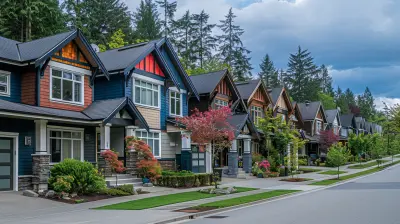
Why Location Matters Even More in a Seller’s Market
19 March 2026
When it comes to real estate, there’s one golden rule that never changes: location, location, location. But in a seller’s market—where demand outweighs supply—location becomes even more crucial. Whether you're buying, selling, or investing, understanding why location holds the power can make all the difference.
In this article, we’ll break down why location is still king, how it influences home values, and why buyers are willing to pay a premium for the right spot. So, let’s dive in and see why where your house is matters as much as what your house is. 
What is a Seller’s Market?
Before we get into the nitty-gritty of location, let’s define what a seller’s market actually is.A seller’s market happens when there are more buyers than homes available. This means sellers hold the upper hand because competition among buyers drives up home prices. Bidding wars, quick sales, and houses selling above asking price are all common in this type of market.
Sounds great if you’re selling, right? Absolutely! But even in this ideal scenario, not all homes are created equal. One factor still makes or breaks deals: location. 
Why Location Holds More Weight in a Seller’s Market
Sure, buyers may feel the pressure to act fast in a seller’s market. But that doesn’t mean they’ll settle for just any home. When there’s competition, people want to ensure they’re making the best long-term investment—and that brings us back to the power of location.1. Desirable Locations Drive Multiple Offers
Prime locations will always attract more buyers, no matter the market conditions. Homes in sought-after neighborhoods, near great schools, or close to major job hubs naturally receive more interest.Think about it—would you rather buy a stunning house in a declining neighborhood or a smaller, older home in a prestigious zip code? Many buyers prioritize location first and compromise on other aspects. This demand leads to higher offers, often sparking bidding wars.
2. Higher Property Values & Stronger Appreciation
A fantastic location doesn’t just push home prices higher today; it also ensures long-term appreciation. Even if the market fluctuates, homes in prime areas tend to recover quickly and increase in value over time.For example, properties in business districts, near public transit, or within walking distance to entertainment and dining tend to hold their worth better than those in less desirable areas. Buyers recognize this and are often willing to pay a premium if they know their investment will grow.
3. Better Resale Value for Sellers
Even though it’s a seller’s market now, that won’t last forever. When the market eventually shifts, properties in great locations will be the easiest to resell.Consider this: if you're selling a home in an up-and-coming neighborhood with solid amenities, good schools, and high walkability, chances are it will attract buyers quickly—even in a slower market. On the other hand, homes in less desirable areas might sit on the market longer, even when inventory is low.
4. Convenience & Lifestyle Still Matter
At the end of the day, people want more than just a house—they want a lifestyle.Locations close to shopping centers, parks, highways, and entertainment hubs are always in high demand. Buyers want the convenience of short commutes and easy access to restaurants, gyms, and social spaces.
Even in a seller’s market, buyers will prioritize homes that fit their lifestyle. If a house is far from everything, they may hesitate, no matter how competitive the market is.
5. School Districts Are a Major Factor
For families, the proximity to top-rated schools can make or break a deal.Many buyers specifically search for homes in districts with strong reputations, making these locations highly competitive. In a seller’s market, homes in these areas can fetch premium prices because parents are willing to pay extra to ensure their children receive a quality education.
If your home is in a great school district, you can use this as a major selling point to attract serious buyers.
6. Safety & Community Appeal
Crime rates and neighborhood appeal also play a massive role in home-buying decisions. No matter how competitive the market is, buyers will do their research. A home in a safe, well-maintained neighborhood with a strong sense of community will always attract buyers faster than a home in an area with high crime rates or declining property values.Additionally, buyers look for things like sidewalks, parks, street lighting, and friendly neighbors. These factors contribute to peace of mind, making a home feel like a solid long-term investment.
7. Proximity to Employment Opportunities
The rise of remote work has shifted some traditional location preferences, but being near major employment hubs is still a priority for many buyers. People don’t want long commutes, especially if they have to drive through heavy traffic every day.Homes close to major business districts, corporate offices, and growing tech hubs will always be in demand. In a seller’s market, these homes often sell at a premium price because buyers see them as a way to improve their work-life balance.
8. Transportation & Infrastructure Matter
Easy access to highways, public transportation, and major roadways can increase a home’s desirability.A home that’s minutes from a train station or an expressway can attract far more buyers than one in an isolated area. Even with the rise of remote work, many people still commute regularly, so transportation remains a top factor in home-buying decisions—even in a competitive market.
Developing infrastructure also plays a role. If a city is planning new roads, public transit expansions, or commercial developments nearby, property values in that area are likely to increase over time. 
How to Use Location to Your Advantage as a Seller
If you're selling a home in a prime location, you're already ahead of the game. Here’s how to maximize your advantage:- Highlight location perks – In your listing description, emphasize nearby attractions, top-rated schools, and community features.
- Stage for the lifestyle – Show buyers how they can enjoy the conveniences of the area. Set up a home office if you're near business hubs or a cozy patio if there are parks nearby.
- Price it competitively – Even in a hot market, pricing your home right ensures you attract the right buyers quickly.
- Use professional marketing – High-quality photos and video tours showcasing the neighborhood can make your listing stand out.
If your home isn’t in the most desirable location, don’t worry. You can still attract buyers by staging your property well, emphasizing renovations, and pricing it strategically to reflect its value. 
Final Thoughts
In a seller’s market, homes sell fast—but the best locations sell even faster and for top dollar. Buyers are still making strategic choices, and location remains a key factor in their decisions.Whether you’re selling, buying, or investing, remember this: you can change your home, but you can’t change its location. Choosing (or selling in) the right spot ensures you're making a smart real estate move—no matter what the market conditions are.
If you're in the market right now, take the time to research and prioritize location. It’s an investment that will always pay off in the long run!
all images in this post were generated using AI tools
Category:
Sellers MarketAuthor:

Elsa McLaurin
Discussion
rate this article
2 comments
Lisette McElroy
Great insights! This article highlights the crucial role of location in a seller’s market, emphasizing how it can significantly influence property value and buyer interest. Understanding these dynamics empowers both sellers and buyers to make informed decisions. Keep up the fantastic work!
March 21, 2026 at 5:00 AM
Elsa McLaurin
Thank you for your kind words! I'm glad you found the insights valuable. Understanding location is indeed key in a seller's market.
Regina Campbell
This article highlights a crucial aspect of real estate: location. In a seller's market, properties in desirable areas not only attract more buyers but also command higher prices. Understanding local trends and amenities can significantly impact investment decisions and long-term property value. Great insights!
March 19, 2026 at 3:51 AM
Elsa McLaurin
Thank you for your thoughtful comment! I'm glad you found the insights on location's importance in a seller's market valuable.