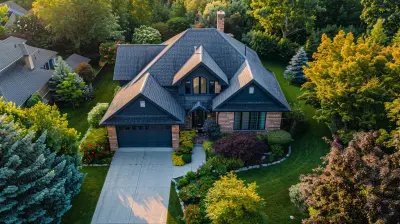
Will Prefabricated Homes Become the New Normal by 2027?
13 September 2026
The short answer is no, not entirely. But the more useful answer is that prefabrication will become normal in specific segments of the housing market long before it becomes the default everywhere. By 2027, you will likely see prefabricated methods dominating certain categories, such as accessory dwelling units, affordable starter housing, and rapid-deployment projects. Meanwhile, custom luxury homes and many infill developments will still rely heavily on traditional site-built construction. The real story is not a revolution that replaces everything. It is a steady, uneven shift that changes how builders, buyers, and lenders think about what a house even is.
Let me explain why this matters, where the momentum is real, and where the hype falls apart.
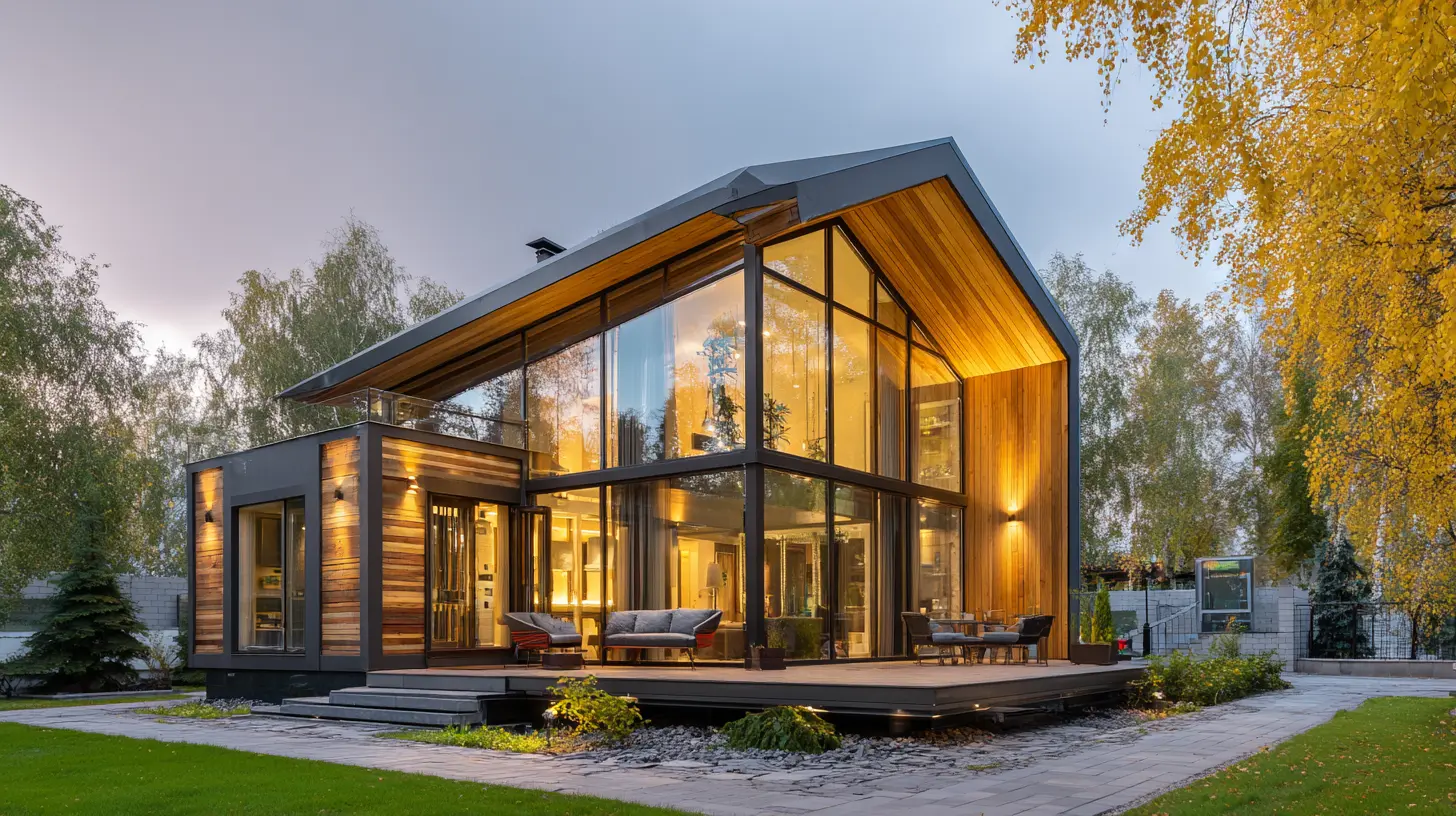
What Prefabrication Actually Means
People use "prefab" as a catch-all, and that sloppiness leads to bad conclusions. There are several distinct approaches, and they behave very differently in the market.Panelized Systems
Walls, floors, and roof sections are built in a factory and assembled on site. This is the least disruptive form of prefab and the easiest to integrate with conventional construction. A framer who has never touched a prefab panel can usually install one without much trouble.Why it works: factories cut panels with precision, which reduces waste and speeds up the dry-in phase. When it goes wrong: if the site foundation is not ready, panels sit in the weather and absorb moisture. That is a common and expensive mistake.
Modular Construction
Whole rooms or entire building sections are built in a factory, shipped on flatbeds, and craned into place. This is what most people picture when they hear "prefab home."Modular shines when you have repeatable designs and a site with clear access. It struggles when you have narrow lots, steep grades, or design features that do not fit on a truck. A 12-foot-wide module is a hard limit in many jurisdictions, and that constraint shapes everything.
Manufactured Homes
Built to a federal code rather than local building codes, manufactured homes are the most affordable category. They are also the most stigmatized. That stigma is fading in some markets, but it still affects financing and resale in many areas.3D-Printed and Emerging Methods
These get headlines, but as of now they remain niche. I would not plan a 2027 project around them unless you have a specific reason and a patient lender.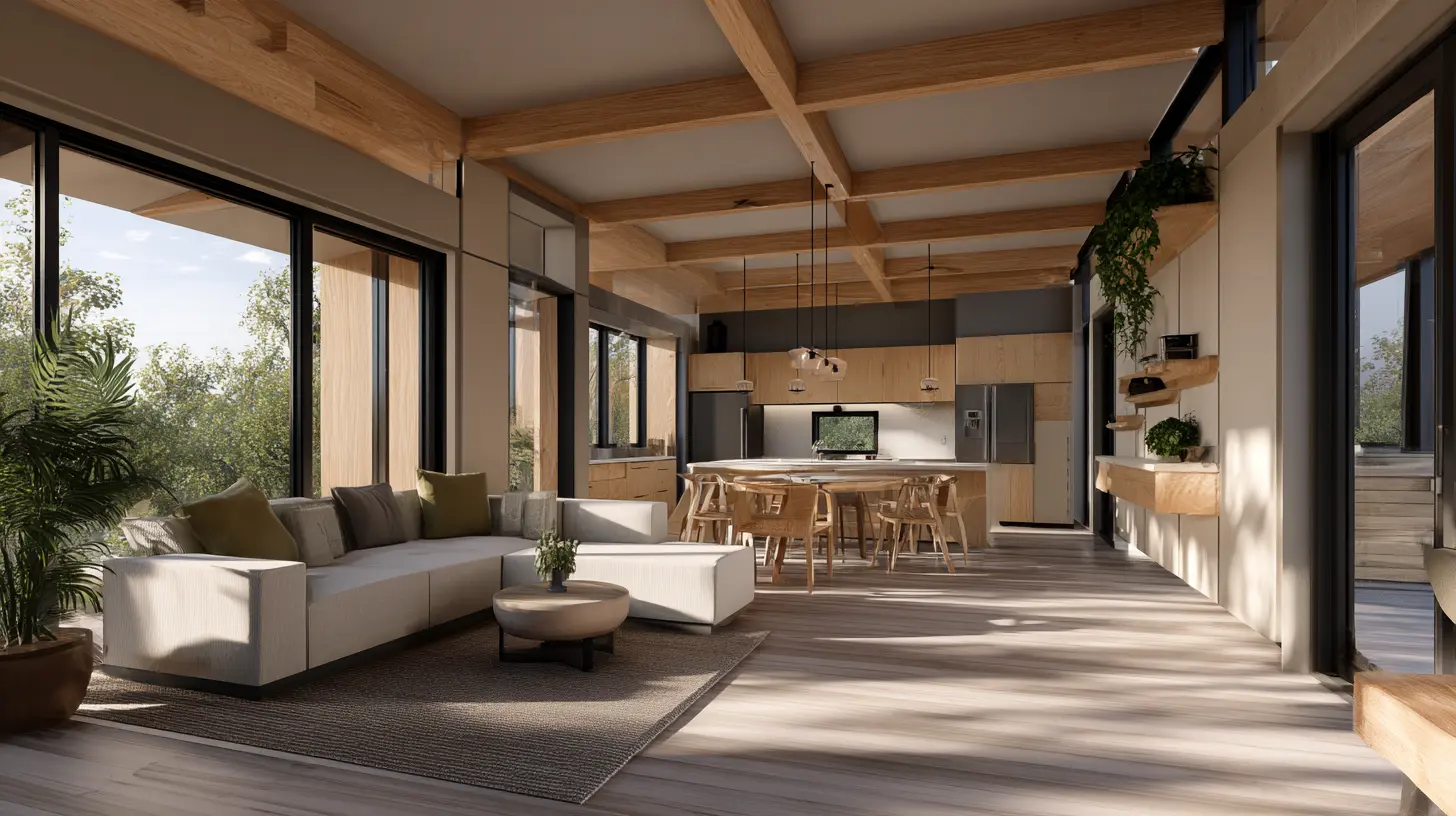
Why the Momentum Is Real
Three forces are pushing prefabrication from the margins toward the mainstream.Labor Shortages Are Structural, Not Cyclical
The skilled trades have been aging out for years, and the pipeline of new workers has not kept pace. This is not a problem that resolves when interest rates drop. It is a demographic reality.Prefabrication moves labor from the job site to the factory. That matters because factory work is more predictable, more trainable, and more attractive to a broader workforce. You can teach someone to operate a panel saw in weeks. Teaching someone to frame a complex roof takes years.
Speed Has Become a Financial Imperative
Carrying costs kill builders. Every month a project sits unfinished, the builder pays interest, insurance, and opportunity cost. Prefabrication can compress the on-site schedule dramatically because the factory work happens in parallel with site work.A traditional build might take nine to twelve months. A modular project with a prepared site can be dried in within days of delivery. That speed is not just convenient. It is the difference between a project penciling out and not.
Quality Control Improves in a Controlled Environment
Rain, wind, and temperature swings ruin materials and create callbacks. A factory eliminates most of that variability. Joints fit better. Moisture intrusion drops. Warranty claims fall.This is why the most sophisticated builders I know are not ideological about prefab. They use it where it makes sense and stick with site-built where it does not.
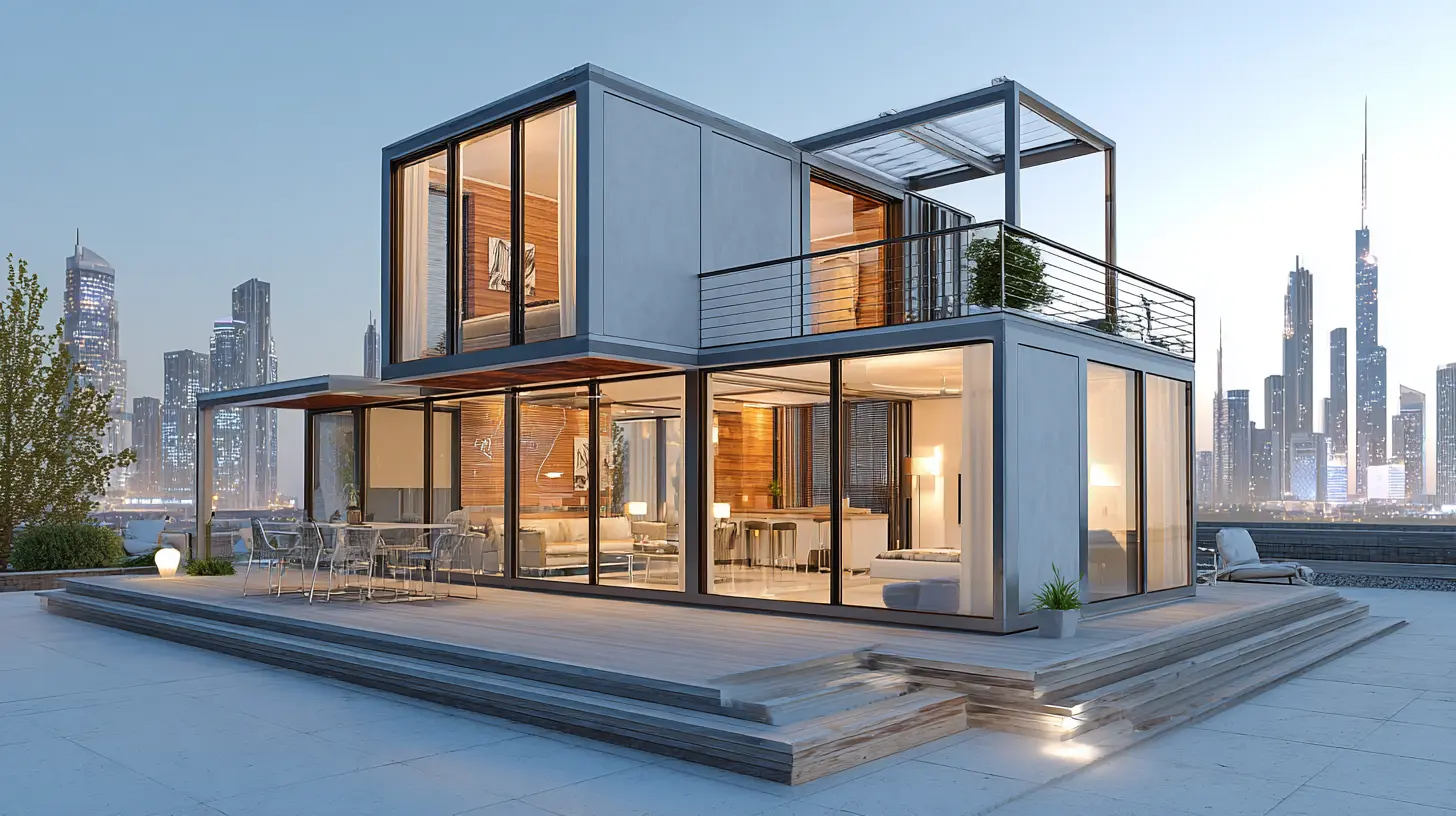
Why 2027 Is a Realistic Inflection Point
Timing predictions in housing are usually wrong, so I want to be precise about what I mean.By 2027, I expect prefabrication to be the default approach in these categories:
- Accessory dwelling units in high-cost metros
- Affordable and workforce housing developments
- Disaster recovery and rapid-deployment housing
- Repeatable product lines from national builders
I do not expect prefabrication to be the default for:
- Custom architect-designed homes
- Complex infill projects on irregular lots
- Historic renovations
- High-end luxury where buyers want bespoke everything
The reason 2027 is plausible for the first list is that the infrastructure is finally catching up. Factories exist. Financing products are maturing. Building departments have seen enough modular projects to stop treating them as exotic. That last point is underrated. Code officials and inspectors are a real bottleneck, and their comfort level takes years to build.
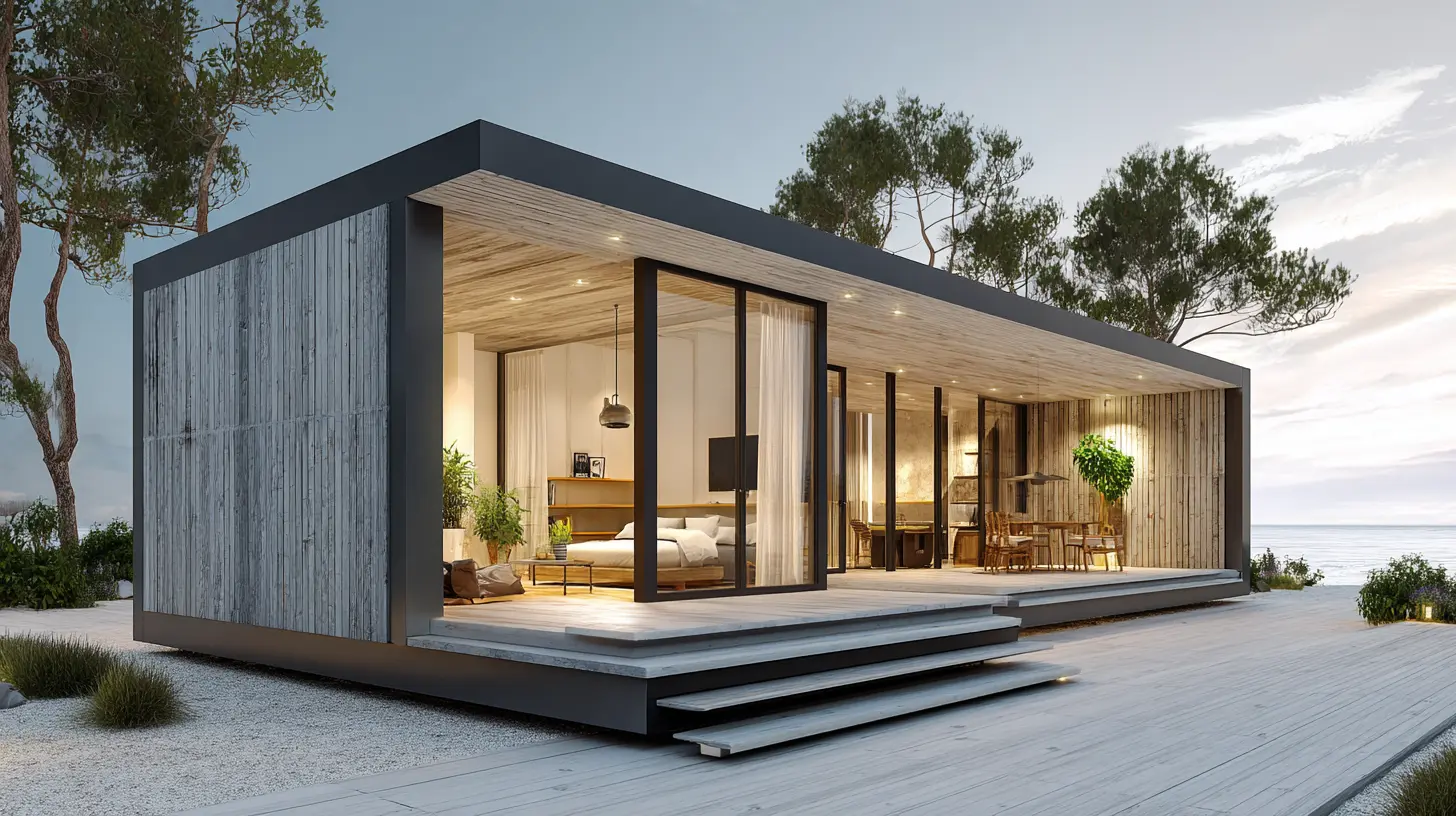
The Economics: Where Prefab Wins and Where It Does Not
The biggest misconception is that prefab is always cheaper. It is not.When Prefabrication Saves Money
Prefab saves money when you have:- Repetition. The same design built multiple times amortizes factory setup costs.
- A simple site. Flat, accessible, with room for a crane.
- A tight labor market. Factory labor is cheaper and more available than site labor.
- Schedule pressure. Carrying costs dominate the math.
When Prefabrication Costs More
Prefab costs more when you have:- One-off designs. Custom factory work is expensive.
- Difficult sites. Craning modules over power lines or onto steep hills is brutal.
- Long shipping distances. You pay for every mile, and modules are awkward cargo.
- Local code conflicts. Retrofitting a factory design to satisfy a picky jurisdiction erases savings fast.
Here is the practical rule I give clients: if you cannot build the same design at least three times, or if your site requires more than a day of crane work, run the numbers carefully before assuming prefab is cheaper.
Common Mistakes and Misconceptions
I have watched a lot of prefab projects go sideways. The failures cluster around a few predictable errors.Mistake One: Treating the Factory as the Whole Project
The factory builds the box. Someone still has to pour the foundation, run utilities, connect the systems, and finish the site. Builders who underestimate site work get blindsided. On some modular projects, site work is 40 percent of the total cost.Mistake Two: Ignoring the Crane Day
Crane day is high-stakes. If the modules arrive late, or the crane is double-booked, or the weather turns, you pay for idle equipment and crew. Plan for contingencies. Have the site inspection done in advance. Confirm the crane company has done modular work before.Mistake Three: Assuming Financing Works the Same Way
Construction loans for modular projects can be trickier. Some lenders disburse funds differently because the factory needs payment before delivery. Others are unfamiliar with the process and slow-walk approvals. Line up your lender early and confirm they have closed modular deals.Mistake Four: Confusing Manufactured and Modular
These are not the same product, and they do not have the same resale profile. Manufactured homes are built to a federal standard and often titled as personal property. Modular homes are built to local codes and are real property. The financing, appraisal, and appreciation trajectories differ. Do not let a salesperson blur the line.Misconception: Prefab Means Cheap-Looking
This was true decades ago. It is not true now. High-end modular projects exist, and the finish quality can match site-built work. The constraint is design flexibility, not quality.Misconception: Prefab Is Always Faster
It is faster on site. It is not always faster overall. Factory schedules can slip. Shipping can be delayed. If you are not organized, the total timeline can stretch beyond a conventional build.
What Buyers Should Consider Before Choosing Prefab
If you are a buyer rather than a builder, the decision framework is different.Resale and Appraisal
Ask directly: how do appraisers in this market treat this type of home? How do buyers react? In some neighborhoods, modular homes sell at parity with site-built. In others, they sit longer and sell at a discount. This varies block by block, and no national statistic will tell you the truth about your specific area.Customization Limits
Factory-built homes are designed around constraints. You can usually choose finishes and some layout options, but you cannot move a load-bearing wall on a whim. If you have a very specific vision, prefab may frustrate you.Warranty and Service
Factory warranties cover the structure, but the local builder handles site work and systems. When something goes wrong, you may be caught between two parties pointing at each other. Get the warranty terms in writing and understand who covers what.Financing
Confirm your lender is comfortable with the construction method. Some loan products treat modular and site-built identically. Others do not. This is a five-minute question that can save you months.What Builders and Developers Should Do Now
If you are on the supply side, the strategic question is not whether to use prefab. It is where.Start With a Pilot
Pick one product type and one site. Build it. Document everything, especially the site work and the crane day. Use that data to decide whether to scale.Build Relationships Early
Talk to factories before you need them. Capacity is limited, and good factories book out months in advance. The builders who get priority are the ones who bring repeat business and accurate forecasts.Invest in Site Readiness
The best prefab projects are won or lost before the modules arrive. Foundations must be precise. Access must be clear. Utilities must be stubbed. Treat site work as the critical path, not an afterthought.Train Your Team
Your site crew needs to understand how factory-built components go together. The tolerances are different. The sequence is different. A crew that has never done modular work will lose time figuring it out on your dime.
The Regulatory and Financing Landscape
Two forces will determine how fast prefab spreads: codes and capital.On codes, the trend is toward more acceptance, but it is uneven. Some jurisdictions have streamlined modular permitting. Others still require plan reviews that assume site-built construction, which creates friction. If you are choosing a market, call the building department and ask how they handle modular. The answer tells you a lot.
On capital, the picture is improving. More lenders understand prefab, and some specialize in it. But the market is still thin compared to conventional construction lending. This is a real constraint, especially for smaller builders.
A Balanced View: Where This Is Heading
I want to avoid the two failure modes in this debate.The first failure mode is techno-optimism: the belief that prefab will sweep away conventional construction and solve the housing crisis. It will not. Housing is a local, regulated, capital-intensive business. Change is slow.
The second failure mode is dismissiveness: the belief that prefab is a fad that never delivers. That is also wrong. Prefab has already delivered in the right conditions, and those conditions are spreading.
The realistic outcome is a hybrid market. Prefabrication becomes standard for repeatable, cost-sensitive, schedule-sensitive projects. Site-built construction remains standard for custom, complex, and high-touch projects. The boundary between them shifts gradually, and by 2027 it will have moved meaningfully.
Practical Recommendations
If you are trying to decide whether prefab is right for your project, run through this checklist.1. Is your design repeatable, or is it a one-off?
2. Is your site accessible for delivery and craning?
3. Have you confirmed your lender will finance this construction method?
4. Have you talked to the local building department about modular permitting?
5. Do you have a site crew experienced with prefab assembly?
6. Have you compared total costs, including site work, shipping, and crane time?
7. Have you checked how comparable homes resell in your market?
If you answered yes to most of these, prefab is worth serious consideration. If you answered no to several, the conventional route is probably safer.
The Bottom Line
Prefabricated homes will not become the new normal across the entire market by 2027. They will become the new normal in the segments where speed, labor availability, and repetition matter most. That is a meaningful shift, and it will reshape how housing gets built in many markets.The builders and buyers who understand this nuance will make better decisions than those waiting for a revolution or dismissing the trend entirely. Prefab is not a silver bullet. It is a tool. Used well, it solves real problems. Used carelessly, it creates new ones.
all images in this post were generated using AI tools
Category:
Housing TrendsAuthor:

Elsa McLaurin
Discussion
rate this article
2 comments
Natasha Harmon
Prefabs could turn neighborhoods into Lego-like wonderlands... imagine picking colors like ice cream flavors. Will your house be mint chocolate chip?
September 30, 2026 at 11:39 AM
Zachary McCarron
Imagine a world where your home arrives like a giant gift in a box. Prefab houses could be the new trend, making neighborhoods feel like a quirky puzzle. Who needs traditional when you can have fun and functional?
September 19, 2026 at 3:34 AM
Elsa McLaurin
That would definitely add a playful twist to homeownership! Prefab houses could reshape our neighborhoods in exciting ways.