Appraisal Strategies for High-End Luxury Properties
12 March 2026
When it comes to luxury real estate, pricing a property isn’t as simple as looking at comparable sales in the neighborhood. High-end homes are unique, often with one-of-a-kind features, custom designs, and prime locations that make traditional appraisal methods challenging.
So, how do you determine the true value of a luxury estate? Let’s dive into the best appraisal strategies for high-end luxury properties and uncover the secrets to getting it right. 
Understanding Luxury Property Appraisals
Luxury home appraisals require a different approach than standard residential assessments. While typical home valuations rely heavily on recent sales of similar homes, high-end properties often lack direct comparisons.These properties might include:
- Custom architecture and interior design
- Expansive acreage and exclusive locations
- High-end materials and top-tier craftsmanship
- Unparalleled amenities like private theaters, wine cellars, and infinity pools
Because of these unique characteristics, appraisers must go beyond basic valuation methods and incorporate specialized strategies to ensure an accurate and fair market value. 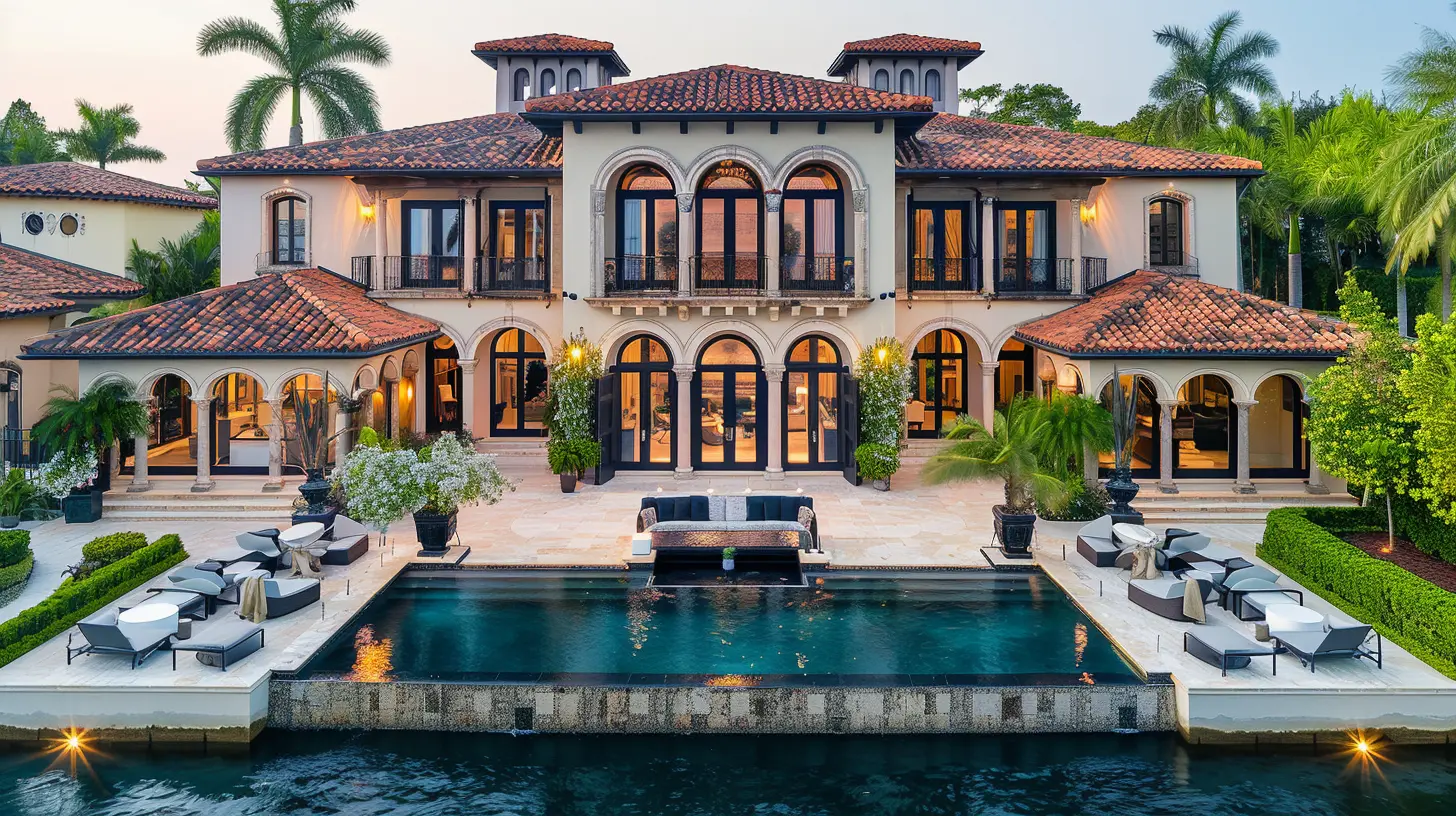
Key Factors Affecting Luxury Home Appraisals
1. Location and Exclusivity
In real estate, location is everything—but in luxury real estate, exclusivity is just as crucial. A waterfront mansion in Malibu carries a different price tag than a penthouse in Manhattan or an equestrian estate in Kentucky.Appraisers assess the property’s geographical desirability, nearby high-end amenities, and the overall prestige of the neighborhood. Gated communities, private islands, or homes near elite schools and country clubs all command premium pricing.
2. Custom Features and Amenities
Unlike standard homes, where square footage and bedroom counts play a major role, luxury properties are valued based on quality and exclusivity.Features that significantly impact luxury home appraisals include:
- Smart home technology (AI-driven security, automated lighting, voice-controlled appliances)
- Wellness amenities (spa rooms, saunas, yoga studios)
- Luxury entertainment spaces (home theaters, bowling alleys, game rooms)
- Outdoor living enhancements (infinity pools, private docks, helipads)
These extras make direct property comparisons difficult, meaning appraisers often use adjustments to estimate value appropriately.
3. Market Demand and Economic Trends
Luxury real estate is highly dependent on economic conditions. When the economy is thriving, demand for high-end homes surges. However, during downturns, luxury properties can sit on the market for longer or sell below perceived market value.Appraisers analyze current trends, buyer demand, and overall market health to help determine a luxury home's worth. 
Effective Strategies for Valuing Luxury Properties
1. The Sales Comparison Approach (With a Twist!)
While typical appraisals rely on recent sales of similar homes, luxury properties rarely have "true" comparables. Instead, appraisers must adjust for unique features and use a broader range of data to estimate value.For example, if a nearby mansion sold for $10 million but lacked a helipad and a 10-car garage, an appraiser may need to add value to account for these extras. Finding a perfect match is rare, so adjustments are key.
2. The Cost Approach
Sometimes, the best way to appraise a luxury home is to determine how much it would cost to build it from scratch. This strategy involves calculating the cost of materials, labor, and land value, then factoring in depreciation.For custom-built estates with rare materials (think Italian marble or handcrafted woodwork), this approach can provide a solid baseline for appraisal.
3. The Income Approach (For Investment Luxury Homes)
If a luxury property is rented out (like a high-end vacation rental or a luxury apartment complex), an appraiser may use the income approach. This method evaluates how much income the property generates and compares it to other investment properties.High-net-worth individuals often view luxury real estate as an investment, so appraisers must consider potential rental income, occupancy rates, and operating costs.
4. Evaluating Replacement Cost for Unique Features
Certain features in a luxury home are irreplaceable. If a property has rare artwork, vintage wine collections, or historical architectural elements, determining a replacement cost can be complicated.Appraisers work with specialists in fine art, antiques, and architecture to assess the true value of these unique aspects, ensuring they contribute properly to the overall appraisal. 
Challenges Faced in Luxury Home Appraisals
Lack of Comparable Sales
Ultra-luxury homes don’t sell as frequently as standard properties, making it difficult to find recent sales data. Appraisers must adjust their approach to account for these gaps.Subjectivity in Valuation
Luxury homes are often valued based on personal preference. A state-of-the-art recording studio may add significant value for a musician but mean little to another buyer. Determining how much weight to give each feature can be tricky.Emotional Value vs. Market Value
Many ultra-luxury homeowners have a sentimental attachment to their estates, leading to a perceived value that may not align with market reality. Appraisers must remain objective while considering buyer psychology.How to Ensure a Fair and Accurate Luxury Home Appraisal
Hire an Experienced Luxury Appraiser
Not all appraisers are created equal. Choosing a professional with expertise in high-end properties ensures a more accurate valuation.Provide Detailed Documentation
Luxury homes often have unique upgrades that aren’t immediately obvious. Providing a breakdown of renovations, custom features, and special materials can help appraisers factor these into the valuation.Consider Multiple Appraisal Methods
Using a combination of sales comparison, cost approach, and income approach leads to a more comprehensive picture of a home’s value. Different strategies provide varying insights, which can make the final estimate more reliable.Stay Informed About Market Trends
Luxury real estate markets fluctuate based on global economic conditions. Staying updated on local and international market trends helps both buyers and sellers understand current pricing dynamics.Final Thoughts
Appraising high-end luxury properties is both an art and a science. With no one-size-fits-all formula, appraisers must blend expertise, market analysis, and creativity to determine a home’s true worth.For sellers, understanding these strategies can help set realistic expectations and maximize returns. For buyers, knowing what goes into a luxury appraisal ensures they’re making informed investment decisions.
In the world of luxury real estate, accurate valuation isn’t just about numbers—it’s about capturing the essence of exclusivity, craftsmanship, and timeless elegance.
all images in this post were generated using AI tools
Category:
Real Estate AppraisalAuthor:

Elsa McLaurin
Discussion
rate this article
2 comments
Maddox Kelly
When dealing with luxury properties, don't shy away from bold appraisals. Embrace uniqueness and market demand; a true high-end home deserves a daring valuation strategy.
March 16, 2026 at 5:36 AM
Elsa McLaurin
Thank you for your insight! Embracing bold appraisals truly reflects the unique value of luxury properties. It's essential for capturing their full market potential.
Samira Cain
Great insights! Essential tips for navigating luxury property appraisals!
March 14, 2026 at 5:45 AM
Elsa McLaurin
Thank you! I'm glad you found the tips helpful. Navigating luxury appraisals can be tricky, but with the right strategies, it becomes much easier.