Can New Construction Help Solve Affordability by 2026?
24 September 2026
Housing affordability has become the defining economic anxiety of this decade. Buyers who watched mortgage rates climb from pandemic-era lows now face a market where the monthly payment on a median-priced home consumes a far larger share of income than it did just a few years ago. In that environment, a tempting narrative has taken hold: builders will ride to the rescue. More supply, the argument goes, will cool prices and restore some version of the American dream. The question is whether new construction can realistically deliver meaningful affordability relief by 2026, or whether that timeline is wishful thinking dressed up as policy.
The honest answer is nuanced. New construction can absolutely help at the margins, and in specific markets it may help a great deal. But treating it as a silver bullet misunderstands how housing supply, land economics, and financing actually work. Let's break down what new construction can and cannot do, where it is already moving the needle, and how buyers and investors should position themselves over the next two years.

Why New Construction Became the Default Answer to Affordability
The logic behind the supply argument is straightforward. When demand outpaces supply, prices rise. When supply catches up, price growth moderates. For years, the United States underbuilt relative to household formation, a gap that widened after the 2008 financial crisis when small builders went bankrupt and capital for speculative construction dried up. That deficit created the conditions for the sharp price appreciation of 2020 through 2022.There is real evidence that supply matters. Markets that permit more housing, particularly denser housing, tend to see slower rent and price growth over time than markets that restrict it. Austin, Texas is a useful case study. A surge of permitting and construction, combined with softer demand after the pandemic boom, contributed to falling prices and rising inventory in 2023 and 2024. That is the supply thesis working in real time.
But Austin also illustrates the limits. Even with aggressive building, homes there remain expensive relative to historical norms and relative to local incomes. New construction lowered the temperature of the market. It did not make housing cheap.
The Core Constraint: New Homes Cost More to Build Than Old Ones
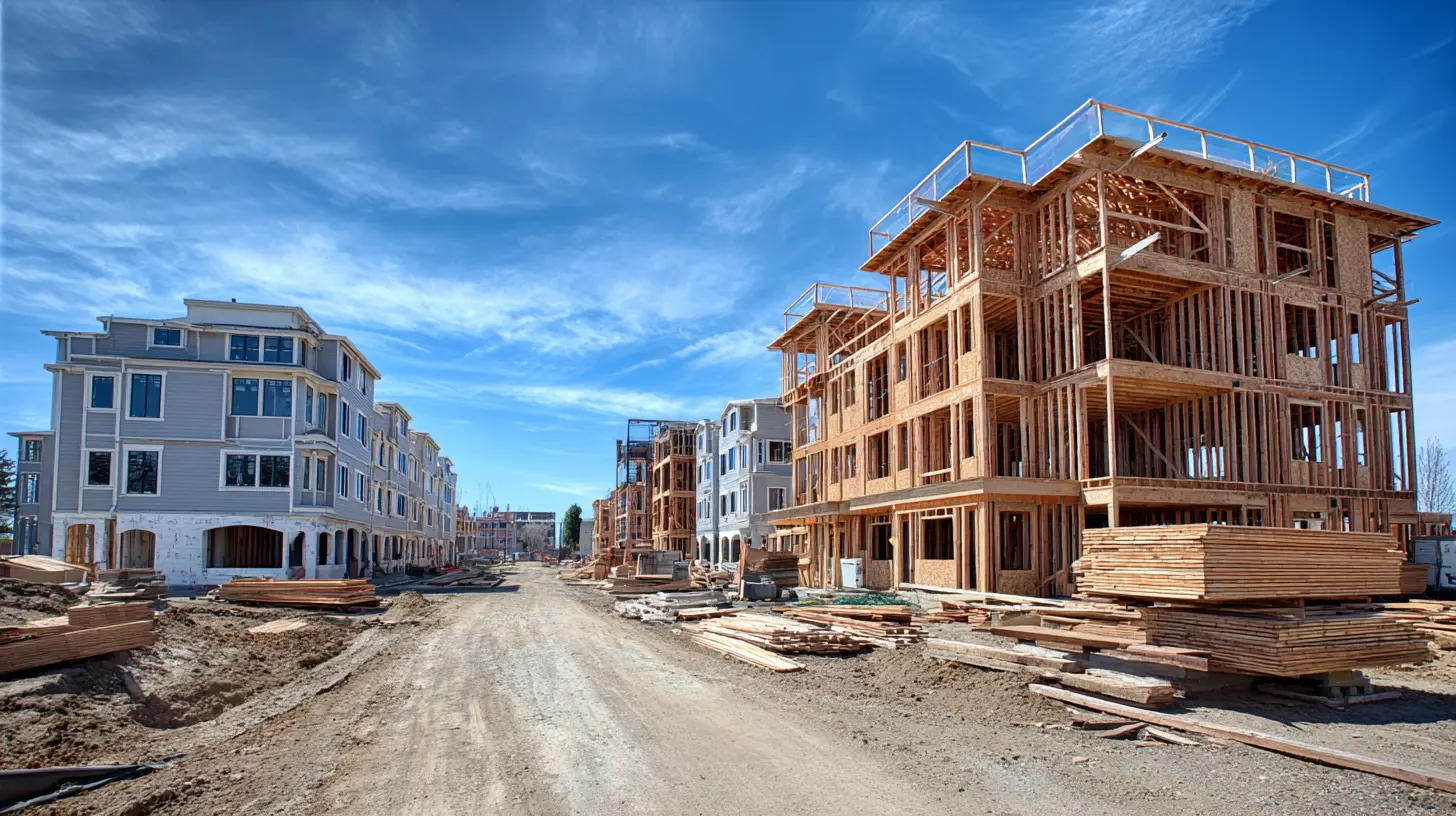
Here is the misconception that trips up most affordability forecasts. People assume new construction is inherently cheaper because it is "new supply." In reality, a newly built home almost always costs more than a comparable existing home in the same area. There are several reasons.First, construction costs. Materials, labor, and land have all risen substantially. Builders face strict energy codes, impact fees, permitting costs, and in many jurisdictions, requirements for certain lot sizes, setbacks, and finishes. Every regulation adds cost, and those costs land in the sale price.
Second, land. The cheap land is largely gone in desirable metros. Builders either pay a premium for infill lots or push to the exurban fringe, where the land is cheaper but infrastructure costs are higher and commute times are longer.
Third, financing. Builders carry construction loans at higher rates than consumer mortgages, and they price that risk into the home.
The practical result is that a new three-bedroom home in most metros sells for a premium over an equivalent ten-year-old home. So how does new construction improve affordability? It does so indirectly.
The Filtering Effect, Explained Honestly
Filtering is the process by which new housing, even expensive new housing, relieves pressure across the whole market. When a higher-income buyer moves into a new home, they vacate an older home, which becomes available to someone with slightly less buying power, and so on down the chain. Over time, this chain of moves can expand supply at every price point.Filtering works, but it is slow. It plays out over years, sometimes decades, and it works best in markets with lots of construction and flexible zoning. It is not a mechanism that will produce visible affordability gains by 2026 in most markets. Anyone promising otherwise is either misinformed or selling something.
What Is Actually Changing by 2026
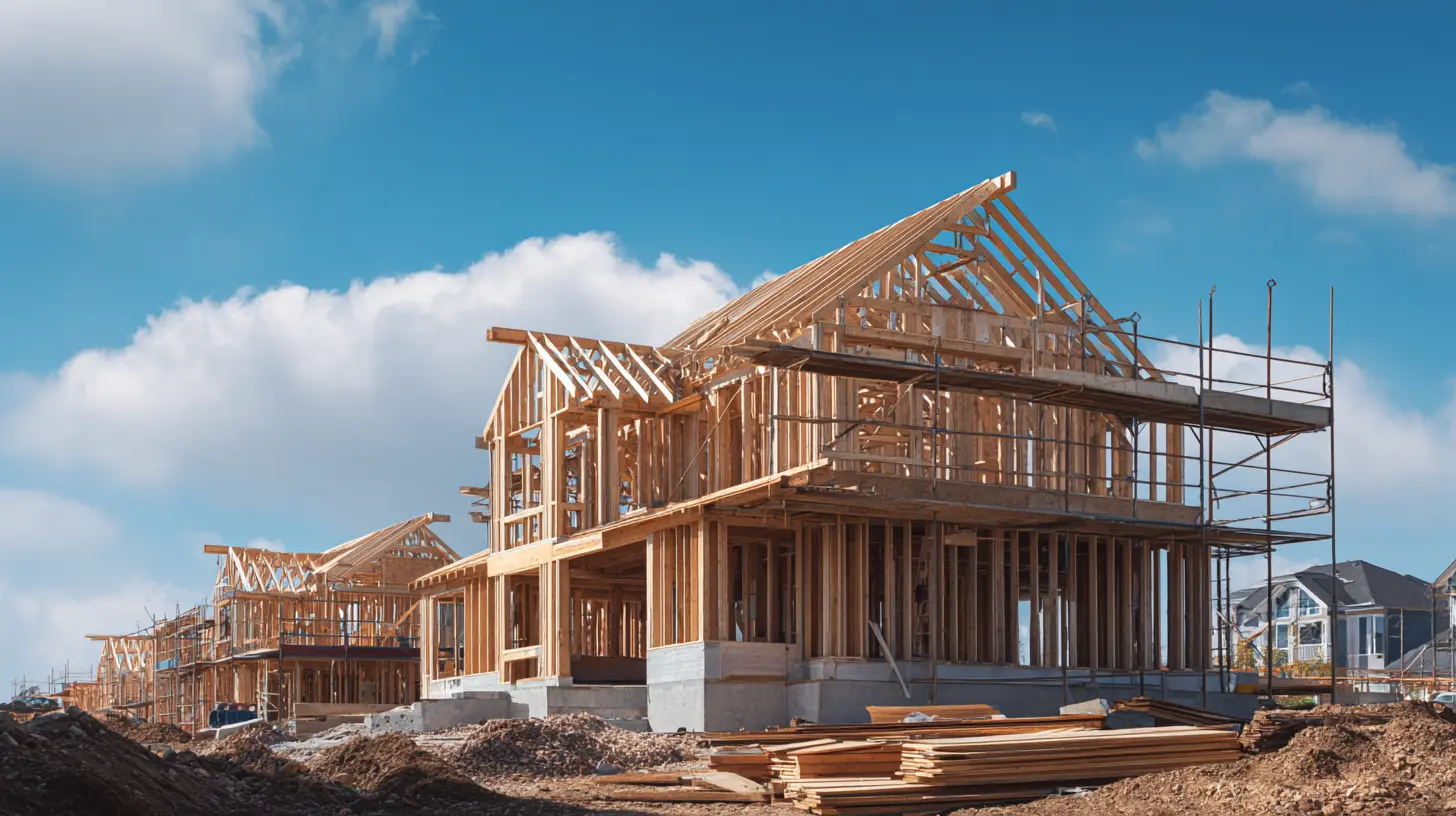
Several forces are converging that could make new construction more relevant to affordability in the near term, though not in the way headlines suggest.Smaller Homes and Build-to-Rent
Builders have responded to affordability pressure by shrinking square footage. The average new home size has declined from its peak as builders reintroduce smaller plans, sometimes in the 1,200 to 1,600 square foot range. Smaller homes cost less to build and less to buy, which directly addresses the entry-level gap.Build-to-rent communities are another piece. These developments, often townhomes or detached rentals built specifically for tenants, add rental supply in suburbs that historically offered few options. They do not create homeownership opportunities, but they do relieve rent pressure, and rent is a major component of overall housing cost.
Factory-Built and Modular Construction
Off-site construction has long promised to cut costs through standardization and reduced labor needs. The promise has been partly real and partly hype. Modular and panelized homes can reduce build time and waste, but they still face the same land, permitting, and financing hurdles as site-built homes. Where they shine is in predictable, repetitive product types, such as townhomes and small multifamily buildings.By 2026, expect factory-built housing to gain share, especially in markets with supportive zoning. Expect it to remain a niche relative to the overall market. It is a tool, not a transformation.
Zoning Reform and Missing Middle Housing
The most consequential change is regulatory. States and cities have begun to legalize duplexes, triplexes, and small apartment buildings in neighborhoods that previously allowed only single-family homes. These reforms, sometimes called missing middle housing, allow more units on the same land, which spreads the cost of land across more households and lowers the per-unit price.This is the single most powerful lever for improving affordability through construction. It is also the slowest to show results, because it takes time to design, permit, and build, and because not every lot will redevelop. By 2026, we will see early signals in the most aggressive reform markets. Full effects will take longer.
Where New Construction Will Help Most by 2026
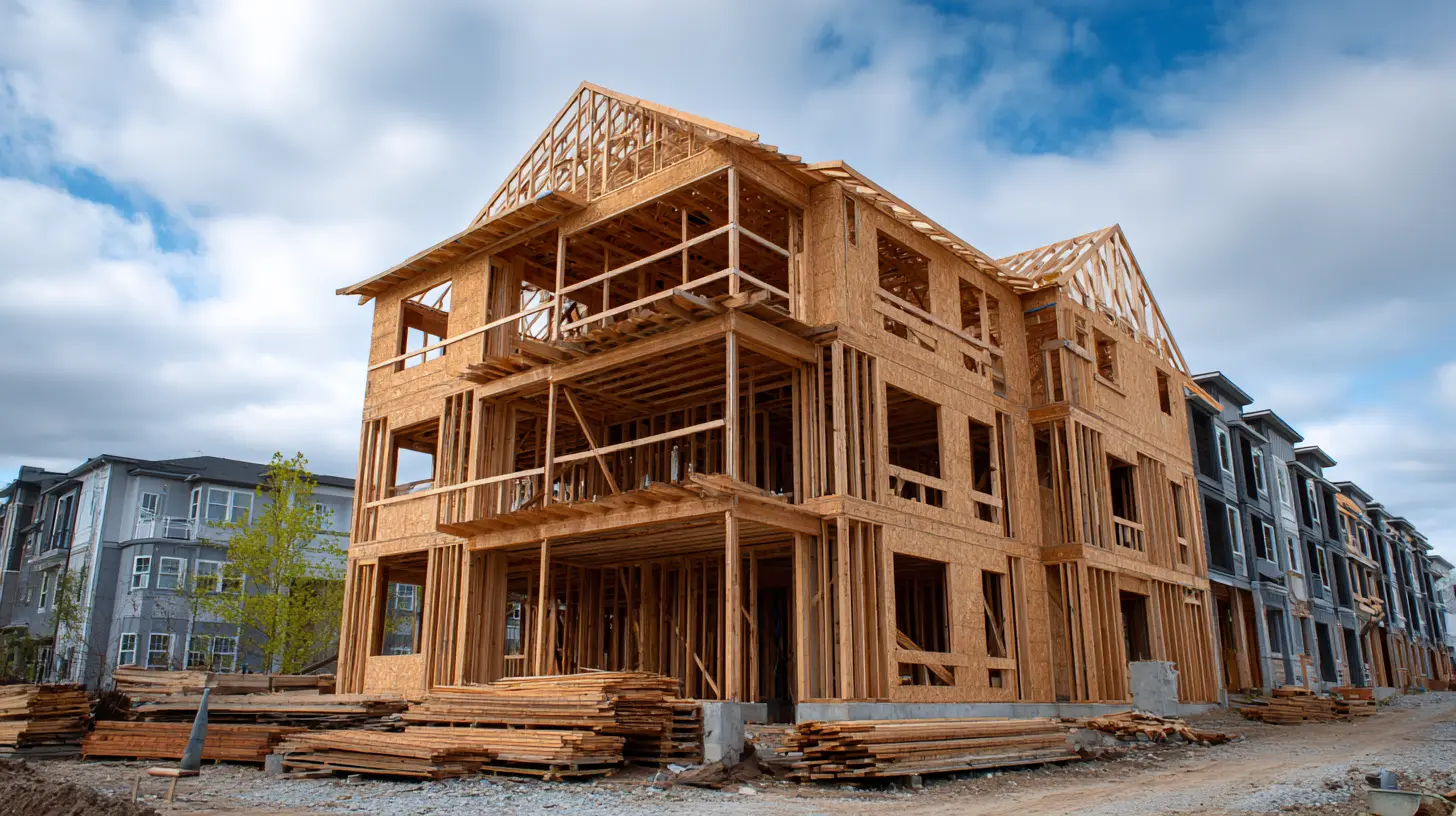
Geography matters enormously. New construction will move the affordability needle in some places and barely register in others.Markets with abundant land and permissive zoning. Sun Belt metros with fewer geographic constraints and faster permitting processes can add supply quickly. These markets are most likely to see price relief by 2026.
Markets with severe constraints. Coastal metros hemmed in by water, mountains, or restrictive zoning will see limited benefit. In these markets, new construction mostly adds luxury product, and affordability gains will be marginal.
Secondary and tertiary markets. Smaller cities that attract remote workers and retirees are increasingly targets for builders. These markets can absorb new supply more easily and may see meaningful entry-level inventory.
The takeaway for buyers: do not assume "new construction" means "affordable." Look at your specific market's supply pipeline, permitting trends, and land availability.
The Financing Side: Where Buyers Get Tripped Up
New construction comes with financing quirks that buyers routinely underestimate.Builder-preferred lenders often offer incentives, such as rate buydowns or closing cost credits, in exchange for using their affiliated mortgage company. These incentives can be genuinely valuable, sometimes worth tens of thousands of dollars over the life of a loan. But they can also obscure a higher rate or fees that a competing lender would beat. Always compare the incentive-adjusted offer against at least two independent lenders.
Construction-to-permanent loans, which convert from a construction loan to a mortgage at completion, are another common path. These loans can be efficient, but they carry interest rate risk during the build period and require careful coordination with the builder's draw schedule.
For buyers considering new construction as an affordability strategy, the math must include not just the purchase price but the total cost of ownership: property taxes on the assessed value, HOA dues common in new communities, and any special assessments for infrastructure.
Common Mistakes Buyers Make With New Construction
Assuming the list price is the price. Builders frequently negotiate, especially at the end of a quarter or when inventory sits. Upgrades, lot premiums, and incentives are all negotiable to varying degrees. Buyers who accept the first offer often leave money on the table.Skipping the independent inspection. Many buyers assume a new home does not need inspection. This is a mistake. New homes have defects, sometimes serious ones. An independent inspector, plus a pre-drywall inspection, can catch problems before they become expensive.
Ignoring the resale risk. In communities where the builder is still selling new homes, resale can be difficult. The builder can offer incentives on new homes that a resale seller cannot match, which undercuts your value. Consider how long the build-out will take before you plan to sell.
Underestimating the timeline. Builders miss completion dates. Delays push rate locks to expire and force buyers into expensive extensions. Build in a buffer of several months and budget for the possibility of a higher rate at closing.
Will Affordability Actually Improve by 2026?
Let's be direct. Broad, national affordability improvement by 2026 is unlikely. The gap between home prices and incomes is too large, and the supply response, while real, is too slow and too constrained to close it in two years.What is realistic:
- Modest price growth moderation in markets with heavy construction
- More entry-level inventory, especially smaller homes and townhomes
- Growth in build-to-rent as a rental supply valve
- Early effects of zoning reform in a handful of states and cities
- Continued regional divergence, with some markets improving and others stagnating
What is not realistic:
- A return to pre-2020 affordability nationally
- New construction as the primary driver of that return
- Quick relief in the most constrained coastal markets
The honest framing is that new construction is necessary but not sufficient. It is one of several tools, alongside zoning reform, financing innovation, and income growth, that together could gradually improve the picture. By 2026, we will see the first meaningful evidence of whether these tools are working. We will not see the finish line.
How to Position Yourself Now
If you are a buyer hoping to benefit from new construction, the next two years reward preparation over patience.Get pre-approved with a lender who understands new construction timelines. Understand your market's pipeline by checking permit data and builder inventory. Negotiate aggressively on upgrades and incentives. Budget for the total cost of ownership, not just the mortgage. And if you are considering a build-to-rent community as a rental, treat it as what it is: a rental, not a stepping stone to ownership unless you have a clear exit plan.
If you are an investor, focus on markets where supply is actually being added and where rents are softening as a result. That is where the affordability story is real, and where the opportunities are most grounded in fundamentals rather than narrative.
New construction will help solve affordability at the edges by 2026. It will not solve it outright. Understanding that distinction is the difference between a sound decision and an expensive lesson.
all images in this post were generated using AI tools
Category:
Home AffordabilityAuthor:

Elsa McLaurin
Discussion
rate this article
1 comments
Nora Sheppard
New construction has potential to improve affordability, but careful planning and community input are essential for sustainable solutions. Interested to see outcomes.
September 24, 2026 at 4:28 AM