The Affordability Crisis and Its Unexpected Solutions
13 November 2026
The real estate landscape is currently grappling with a significant affordability crisis. Rising home prices, stagnant wages, and increasing living costs have created a perfect storm for many would-be homeowners and renters. This situation has sparked a flurry of discussions around potential solutions, some of which may not be as obvious as they seem. This article delves into the affordability crisis in real estate, examining its causes and exploring unexpected solutions that have emerged in response.

Understanding the Affordability Crisis
The Current State of Housing Affordability
The affordability crisis varies across regions, but the overarching trend is clear: many people are struggling to find suitable housing within their financial means. According to various studies, housing costs have outpaced wage growth in numerous markets, leaving individuals and families with limited options. For instance, in many urban areas, the ratio of median home prices to median household income has ballooned, pushing homeownership further out of reach for many.Key Contributing Factors
Several factors drive the affordability crisis:1. Rapid Urbanization: As more people flock to urban centers for job opportunities, the demand for housing skyrockets. This often leads to bidding wars, driving prices up even further.
2. Supply Chain Disruptions: The pandemic highlighted vulnerabilities in the construction supply chain. Material shortages and labor shortages have negatively impacted the ability to build new homes, exacerbating supply constraints.
3. Zoning Laws and Regulations: Many areas have strict zoning laws that limit the types of housing that can be built. This can restrict the development of affordable multi-family housing, further squeezing supply.
4. Investor Activity: Increased participation from institutional investors in the housing market has driven prices higher. These investors often purchase homes for rental income, reducing the availability of properties for first-time buyers.
The Human Impact
The consequences of the affordability crisis extend beyond financial metrics. Families are often forced to make difficult choices, such as relocating far from their jobs, compromising on space and amenities, or even delaying major life decisions like marriage or starting a family.
Unexpected Solutions to the Affordability Crisis
While the challenges are significant, various innovative solutions have emerged to address the affordability crisis. Below, we explore some unexpected approaches that have gained traction.1. Adaptive Reuse of Existing Buildings
One of the most compelling solutions involves repurposing existing structures. This approach not only conserves resources but also addresses the immediate housing shortage.Advantages
- Cost-Effectiveness: Transforming an old warehouse or school into residential units can be less expensive than new construction.- Speed of Development: Renovating existing buildings can be faster than starting from scratch, providing quicker access to housing.
Real-World Example
Cities like San Francisco have successfully converted industrial buildings into loft-style apartments, providing unique living spaces while increasing the housing supply.2. Community Land Trusts
Community land trusts (CLTs) are a model where a nonprofit organization acquires land and develops affordable housing on it. This keeps housing prices stable and provides long-term affordability.Benefits
- Sustainable Affordability: By separating the ownership of land from housing, CLTs ensure that homes remain affordable for future generations.- Community Control: CLTs empower local communities to have a say in development, which can lead to more tailored housing solutions.
Considerations
While CLTs can be effective, they require significant initial investment and ongoing community engagement.3. Micro-Housing Solutions
Micro-housing refers to small, efficiently designed living spaces that maximize functionality while minimizing costs.Pros and Cons
- Affordability: Smaller units are generally cheaper to rent or buy.- Sustainability: These units often have a lower environmental impact due to their size and design.
- Potential Drawbacks: Limited space can be a significant trade-off for those accustomed to larger homes.
Market Examples
Cities like Seattle have embraced micro-housing as a viable option, catering to young professionals and those seeking urban living without a hefty price tag.4. Policy Innovations
Innovative policies can play a significant role in addressing the affordability crisis. Some governments are experimenting with different approaches, such as inclusionary zoning and density bonuses.Inclusionary Zoning
This policy requires developers to include a percentage of affordable units in new residential projects.#
Advantages
- Increased Supply: This can help integrate affordable housing within new developments, benefiting a diverse community.- Market Responsiveness: It can adapt to local market conditions and housing needs.
#
Drawbacks
Some critics argue that this can lead to increased overall costs if developers pass on the expenses to market-rate units.5. Public-Private Partnerships
Collaborations between government entities and private developers can lead to innovative housing solutions.How It Works
These partnerships can leverage public land and resources while attracting private investment for affordable housing projects.Successful Models
Cities like New York have successfully implemented public-private partnerships to create affordable housing, combining resources to maximize impact.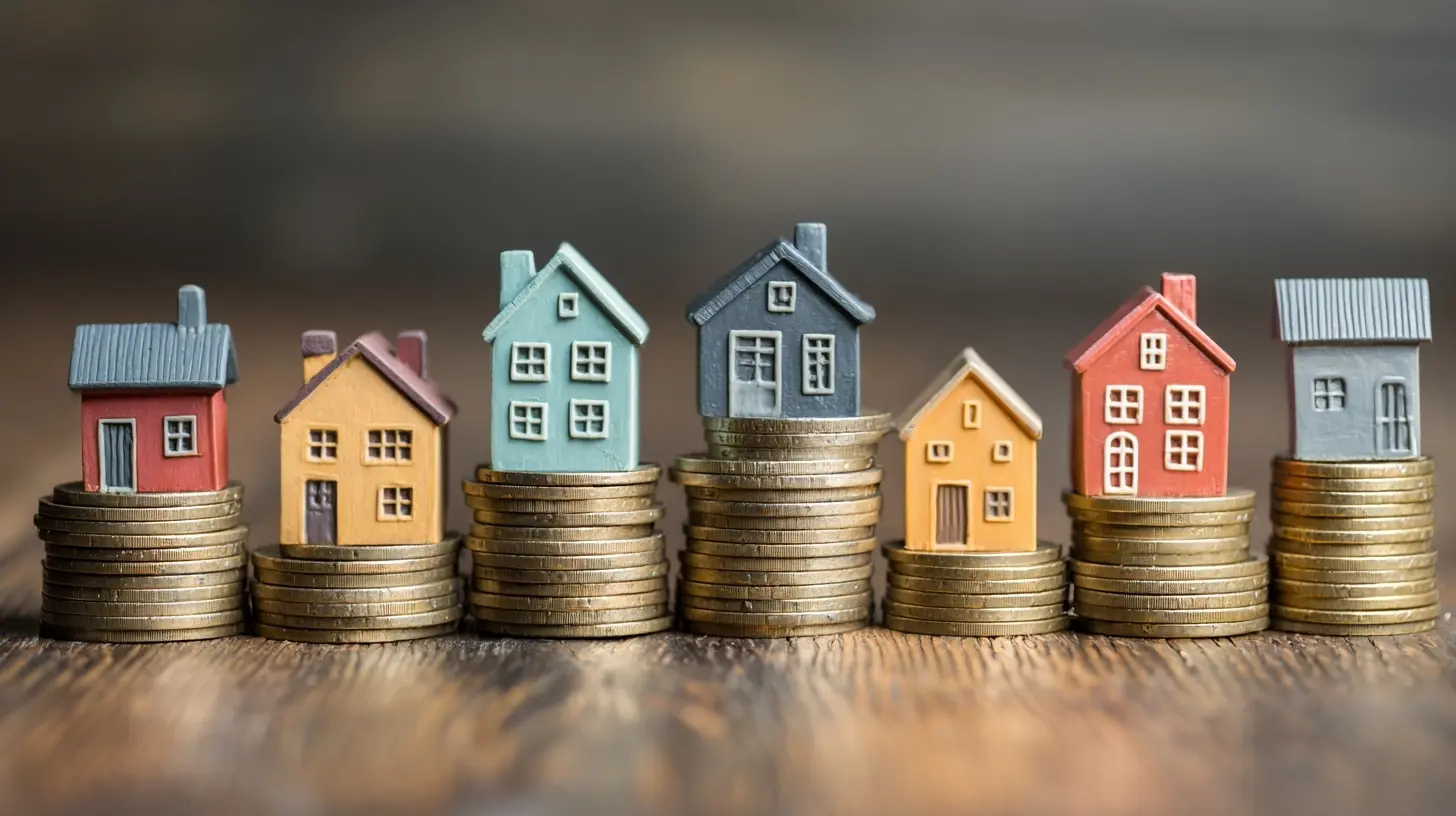
Common Misconceptions
Misconception 1: The Market Will Fix Itself
Many believe that the housing market will naturally correct itself over time. While markets do fluctuate, the systemic issues causing the affordability crisis are complex and require intentional intervention.Misconception 2: Affordable Housing is Low-Quality Housing
There is a stigma surrounding affordable housing that it is synonymous with poor quality. However, many affordable housing projects are designed with high-quality standards and community amenities.
Best Practices for Addressing Affordability
1. Engage Stakeholders: Effective solutions require buy-in from various stakeholders, including local governments, developers, and community members.2. Utilize Data: Understanding local housing market dynamics through data can guide effective policy and development strategies.
3. Promote Diverse Housing Types: Cities should encourage a mix of housing types to cater to different income levels and family sizes.
4. Invest in Infrastructure: Ensuring that public services and infrastructure keep pace with new developments can enhance the attractiveness of affordable housing.
Conclusion
The affordability crisis in real estate is a multifaceted issue requiring innovative and sustained solutions. While challenges abound, unexpected approaches such as adaptive reuse, community land trusts, micro-housing, policy innovations, and public-private partnerships demonstrate that practical and creative solutions exist.As communities continue to grapple with housing challenges, it is crucial to remain open to varied strategies and to understand the unique needs of each market. The journey toward affordable housing is ongoing, but with thoughtful collaboration and innovative thinking, it is possible to make significant strides in alleviating the affordability crisis.
all images in this post were generated using AI tools
Category:
Home AffordabilityAuthor:

Elsa McLaurin
Discussion
rate this article
1 comments
Jade Chavez
The affordability crisis demands bold solutions. It's time to rethink housing, prioritize creativity, and break the status quo.
November 13, 2026 at 4:18 AM